Article: Best Martial Arts to Learn for Your Goals
Best Martial Arts to Learn for Your Goals
Key Takeaways
- best martial arts to learn - Selecting the right discipline depends on whether you value high-impact striking like Muay Thai or the technical ground game found in Brazilian Jiu-Jitsu.
- Muay Thai and Boxing offer the most direct path to building explosive power and cardiovascular endurance, making them perfect for high-intensity training.
- Brazilian Jiu-Jitsu (BJJ) emphasizes technique and positioning over raw strength, offering a mental challenge and effective self-defense for all body types.
- Mixed Martial Arts (MMA) integrates multiple styles into a single system, providing the most versatile skill set for both competition and real-world scenarios.
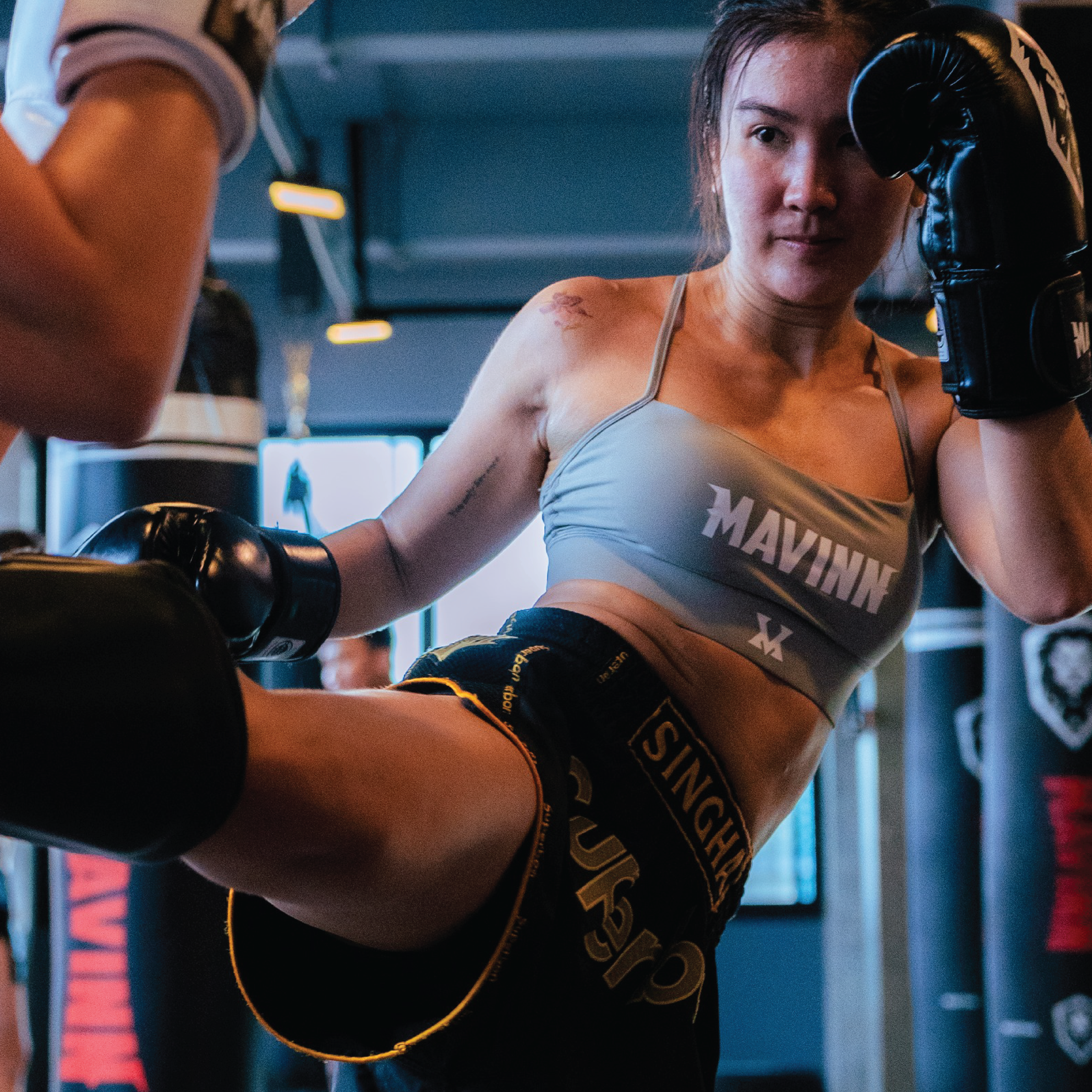
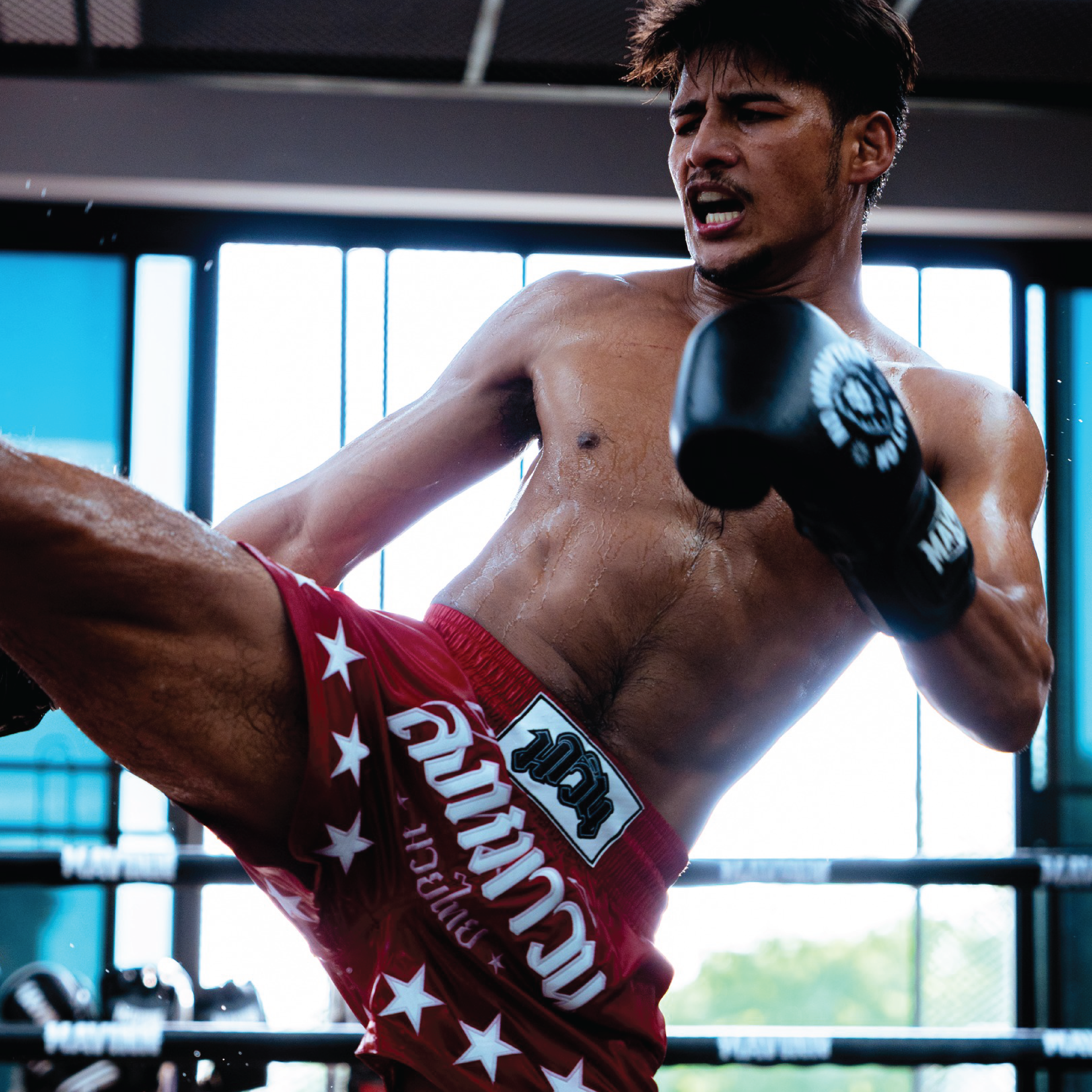
Muay Thai and Brazilian Jiu-Jitsu (BJJ) are the best martial arts to learn for those seeking a balance of practical self-defense and elite conditioning. Muay Thai develops explosive striking power, while BJJ provides tactical ground control and submissions. MAVINN supports this journey with performance gear engineered for the demands of high-intensity sparring, which is especially valuable if you are planning a Muay Thai stay and train in Thailand.
For cardiovascular health and speed, Boxing remains the gold standard for footwork and punching precision. If you prefer high-impact grappling, Wrestling or Judo provides the strongest foundation for body awareness. Consistent, regular training is the most reliable path to progress regardless of the discipline you choose.
Table of Contents
- What is the best martial art to learn for real life defense ?
- Which martial art should i learn as a complete beginner ?
- Best fighting art to learn for improving physical fitness
- Best form of martial arts to learn for home training
- How to choose the right martial art for your body type
- Selecting the right gear to stay safe during training
- How to find a training center that fits your lifestyle
- Conclusion
What is the best martial art to learn for real life defense ?

Mixed Martial Arts (MMA) is the best martial arts to learn for real-world defense because it combines striking, clinching, and grappling into one cohesive system. Real altercations are unpredictable and often transition to the ground in under 30 seconds, making single-style training risky. By merging Muay Thai’s striking with Brazilian Jiu-Jitsu’s ground control, you develop the versatility to handle threats at any distance.
Survival depends on muscle memory, which requires training against live resistance consistently. MAVINN gear is built for this high-frequency grind, engineered for durability under continuous professional-level use. This ensures your equipment remains reliable while you refine the technical skills needed to manage high-pressure situations.
Effectiveness of Muay Thai and the art of eight limbs
Muay Thai is widely considered the most effective striking system because it transforms your entire body into a versatile weapon. Unlike styles that focus only on punches or kicks, the "Art of Eight Limbs" incorporates knees and elbows for a complete stand-up discipline. This variety allows you to dominate at long range with leg kicks or control an opponent in the clinch with short-range strikes.
This effectiveness is proven in professional MMA, where most top-tier champions rely on a Muay Thai striking base. The high-intensity training delivers significant caloric expenditure, building functional strength and cardiovascular endurance simultaneously. This combination of conditioning and utility makes it one of the best martial arts to learn for anyone seeking a high-performance lifestyle.
Which martial art should i learn as a complete beginner ?

Start with Muay Thai or Brazilian Jiu-Jitsu (BJJ) because they provide the most functional foundation for both fitness and self-defense. Muay Thai builds striking proficiency using eight points of contact including your fists, elbows, knees, and shins. BJJ focuses on ground-based control, teaching you how to neutralize threats through mechanical advantages and weight distribution.
| Martial Art | Primary Focus | Best For |
|---|---|---|
| Muay Thai | Striking (8 Limbs) | Explosive Power |
| BJJ | Grappling & Control | Technical Strategy |
| Boxing | Handwork & Footwork | Reflexes & Speed |
Muay Thai is the ideal choice for high-intensity conditioning, often burning up to 1,000 calories in a 60-minute session. If you prefer technical strategy without taking repeated head impact, BJJ offers a safer entry point for beginners. Most professional fighters use these two styles as their primary base because they cover every distance of a physical engagement.
Why boxing provides a solid foundation
Boxing provides a premier foundation because it masters the three most critical elements of combat: footwork, head movement, and punching accuracy. By focusing exclusively on the hands, you develop an elite level of spatial awareness and defensive reflexes that transfer to any of the best martial arts to learn. Beginners typically find that a six-month boxing block makes them significantly more effective when transitioning to complex multi-limb systems like Muay Thai.
Boxing's "sweet science" trains the nervous system to remain calm under extreme physical pressure. You learn to maintain a high heart rate while executing precise, explosive movements without sacrificing your defensive posture. Hand speed remains one of the most versatile tools in both competitive rings and high-intensity functional fitness, which is why professional strikers dedicate a significant portion of their training to punching mechanics.
Best fighting art to learn for improving physical fitness

Muay Thai is the premier choice for total body conditioning due to its unique blend of aerobic and anaerobic demands. This "Art of Eight Limbs" forces you to engage your core, legs, and upper body simultaneously through striking and clinching. The combination of explosive striking and sustained clinching places significant demands on both your cardiovascular and muscular systems.
- Muay Thai: Maximizes caloric burn and builds lean muscle through repetitive kicking and knee strikes.
- Boxing: Develops elite-level anaerobic capacity and sharpens upper-body reflexes and core rotation.
- Brazilian Jiu-Jitsu: Enhances functional strength and isometric endurance through heavy bodyweight resistance during grappling.
You will experience rapid improvements in agility and metabolic efficiency due to the nature of interval-based bag work and sparring. These movements require high oxygen intake, which strengthens your cardiovascular system and increases your resting metabolic rate. Dedicated students who train consistently typically notice measurable improvements in body composition and stamina over time.
Best form of martial arts to learn for home training

Boxing and Muay Thai are the most effective martial arts to learn at home because they prioritize shadowboxing drills that require zero equipment. While grappling disciplines like BJJ require a training partner, striking allows you to master the six basic punches or the Muay Thai long knee using only floor space and a mirror. You should focus on footwork patterns and hip rotation to build mechanical consistency before moving to a heavy bag.
| Martial Art | Primary Focus | Equipment Needed | Space Required |
|---|---|---|---|
| Boxing | Punches & Head Movement | Hand wraps, gloves (optional) | 2x2 Meters |
| Muay Thai | 8 Limbs (Kicks, Knees, Elbows) | Shin guards, gloves (optional) | 3x3 Meters |
Muay Thai offers a more comprehensive full-body workout by incorporating kicks and clinching movements that demand both aerobic and anaerobic output. Boxing is often more accessible for beginners, as it hones in on refined hand speed and defensive positioning. Filming your sessions on your phone is a practical way to identify technical flaws in your guard and stance.
Solo drills to improve your striking technique
Shadowboxing is the most effective solo drill because it allows you to visualize an opponent while focusing entirely on your form and footwork. Practicing in front of a mirror makes it easier to identify technical flaws like dropping your hands or squaring your hips. A high-intensity 10-minute session should include three rounds of continuous movement focusing on specific combinations like the 1-2-3 (jab-cross-hook).
Heavy bag work and footwork drills are essential additions to your routine once you master basic mechanics. These drills bridge the gap when you're exploring the best martial arts to learn by building the necessary muscle memory and power.
-
Heavy Bag Power Singles: Throw one strike with 100% power and reset your stance immediately.
-
Lateral Movement Drills: Use floor tape to practice pivoting at 45-degree angles after every punch.
-
Wall Sprints: Develop the explosive calf strength required for the spring in a Muay Thai teep or a boxing cross.
Essential heavy bag workouts for cardio
Heavy bag training builds elite cardiovascular endurance by mimicking high-intensity combat sport intervals. Use 3-minute rounds to mirror the timing of a standard Muay Thai match. High strike volume keeps your heart rate elevated in a range that is essential for building fight-ready stamina.
Execute "The Burnout" drill: alternate between fast punches and heavy hooks in timed intervals, repeating multiple rounds without rest to force your body to manage lactic acid buildup. This conditions your lungs for the physical demands of the best martial arts to learn.
Circle the bag between combinations to keep your lower body engaged rather than standing static. Finishing your session with a high-volume set of power kicks on each leg will peak your heart rate and build explosive lower-body endurance.
How to choose the right martial art for your body type

Select a discipline that maximizes your natural leverage, reach, and center of gravity to see the fastest progress. Taller athletes with long limbs often prefer striking-based ones like Muay Thai to maintain maximum distance using long-range jabs and teeps. Meanwhile, shorter, stockier individuals typically excel in grappling arts like Brazilian Jiu-Jitsu because their build makes them much harder to topple or sweep.
| Body Type | Best Styles | Key Advantage |
|---|---|---|
| Tall & Lanky | Muay Thai, Kickboxing | Range and reach |
| Short & Stocky | BJJ, Wrestling, Judo | Stability and leverage |
| Heavy & Broad | Boxing, Lethwei | Pure striking power |
| Small & Ectomorph | Taekwondo, Karate | Speed and agility |
Your cardiovascular capacity and explosive power also dictate which style fits your daily physical output and recovery. Heavyweight fighters often focus on the raw force found in Boxing, while lighter individuals thrive in the high-repetition aerobic demands of Taekwondo. Choose an art that feels intuitive to your natural movements to ensure you maintain a consistent training schedule.
Selecting the right gear to stay safe during training
Match your equipment directly to the impact intensity of your discipline to prevent fractures and soft-tissue damage. Striking-heavy sports require high-density foam that absorbs shock, while grappling-focused arts demand high-tensile fabrics to resist tearing. Quality gear with multi-layered padding systems ensures longevity under professional-level stress.
Identifying the best martial arts to learn also means understanding the specific protective standards required for each style:
| Discipline | Primary Gear | Key Safety Function |
|---|---|---|
| Muay Thai | Gloves & Shin Guards | Protects the tibia and metacarpal bones |
| BJJ/Grappling | Rash Guards | Prevents mat burns and staph infections |
| MMA | Hybrid MMA Gloves | Balances knuckle protection with grip ability |
For Muay Thai specifically, the MAVINN Shin Guard — Balance in Control is built for full-contact sparring with reinforced tibia coverage. Available in S/M/L/XL across Black, White, and Army Green — designed to move with you, not weigh you down.
Always prioritize gear with secure closure systems to ensure the padding stays locked during explosive pivots.
How to find a training center that fits your lifestyle

Pick a training center located within a convenient commute of your daily route to eliminate excuses on busy days. While you look for the best martial arts to learn, consider how the gym's schedule aligns with your peak energy levels, whether you prefer early morning drills or late-night sparring. The right facility should reflect your personal brand, blending high-performance training with a modern, urban aesthetic.
Evaluate these specific factors to ensure the gym integrates with your routine:
- Class frequency and the availability of "Open Mat" hours for independent practice.
- The quality of amenities, including clean locker rooms and high-grade striking gear.
- The gym community, ensuring it supports a balance between intense combat sports and street-wear culture.
Most professional Muay Thai and Boxing gyms now offer flexible memberships ranging from per-session credits to unlimited monthly access. Test the mats with a single-day pass to ensure the coaching style and equipment meet your standards before committing to a long-term contract.
Conclusion
The best martial art to learn depends entirely on whether you prioritize functional self-defense, conditioning, or competitive sport. Muay Thai is the most effective choice for full-body conditioning and learning to use eight points of contact. If your goal is ground-based defense, Brazilian Jiu-Jitsu (BJJ) offers the best technical advantage for neutralizing larger attackers.
Success in any discipline requires the right mindset and equipment that can withstand the rigors of daily training. Starting with Boxing builds the fastest foundation for head movement and punch mechanics. Investing in durable training gear protects your body and keeps you on the mats consistently — which is ultimately what drives long-term progress in any martial art you choose. Explore the full boxing gloves collection when you are ready to gear up.