Muay Thai Wai Kru and 8 Centuries of Tradition
Key Takeaways
- muay thai wai kru - This sacred ritual is performed to honor trainers, family, and the heritage of the sport, establishing a spiritual connection before the physical battle begins.
- The ceremony serves as a functional mental and physical warm-up, allowing fighters to steady their breathing, loosen their joints, and claim their space within the ring.
- Each Ram Muay movement often reflects a fighter’s specific gym lineage or regional style, acting as a non-verbal identity check that signals their readiness to the crowd and opponent.
- Wearing the Mongkhon and Pra Jiad during the ritual honors centuries of Thai warrior tradition, blending spiritual protection with the modern athlete’s competitive mindset.
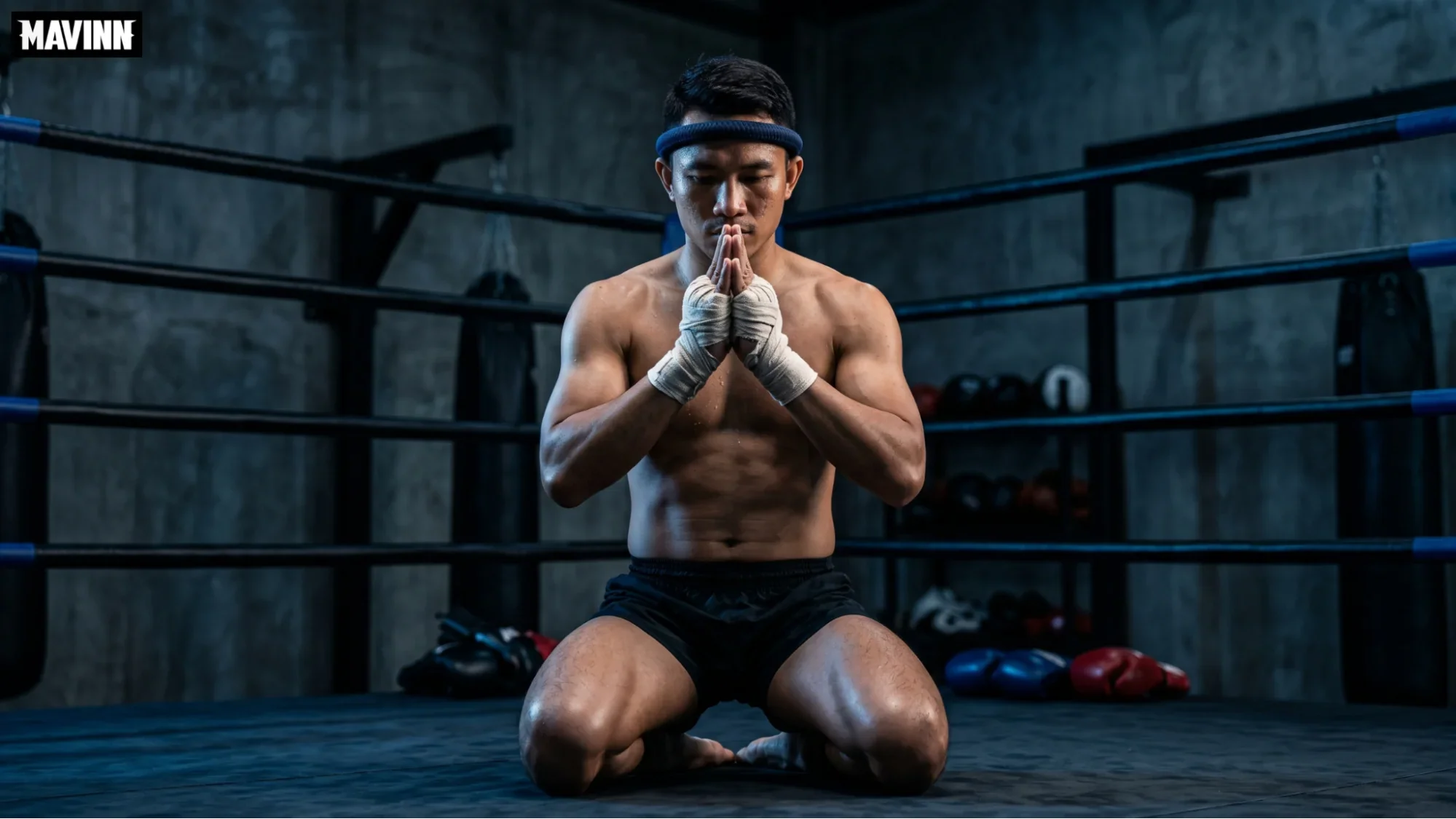
The muay thai wai kru is a sacred pre-fight ritual designed to honor a fighter’s trainers, family, and the deep heritage of the sport. This ceremony functions as both a spiritual grounding and a physical warm-up to loosen joints and control breathing. It allows you to claim your space in the ring before the first bell rings.
Fighters perform the Ram Muay to display their specific gym lineage and regional identity through non-verbal movements. Adorning the Mongkhon and Pra Jiad during the dance connects the modern athlete to centuries of Thai warrior tradition. This ritual ensures your mind is as sharp as your striking before the physical battle begins.
Table of Contents
What does the Muay Thai Wai Kru actually represent ?

The muay thai wai kru represents a profound act of gratitude and spiritual armor that anchors a fighter before the physical violence begins. This ritual is a public acknowledgment of the trainers, family members, and gym lineage that forged your technical skills. By moving to the four corners of the ring, you are symbolically sealing the space to ward off negative energy.
Beyond respect, the ceremony serves as a high-level psychological tool. Every specific gesture in the Ram Muay identifies a gym’s regional heritage, acting as a visual calling card to the crowd and the opponent. These rhythmic sequences seamlessly transition the mind into a combat state while ensuring strikes remain fluid from the opening seconds. It forces athletes to respect the craft while proving they have the mental discipline to control the ring.
The Deep Symbolism Behind the Movements
The gestures of the muay thai wai kru mimic animals and mythological figures to channel specific attributes into a fighting spirit. For example, the "Phraya Khrut" (Garuda) movement replicates the flight of the bird-king to signal dominance and absolute power over the canvas. These deliberate hand rotations symbolize the clearing of obstacles and the invitation of protection for the physical body.
Moving toward the ring's edges represents locking out external distractions. A fighter may perform the "Swan’s Flight" or "Hunter Aiming an Arrow" to showcase their unique lineage. By touching the top rope in each corner, they are staking a claim to the territory they intend to dominate.
A journey through the history of the Muay Thai Wai Kru

The muay thai wai kru originated on the battlefields of ancient Siam during the Ayutthaya period as a pre-combat ritual for soldiers to seek divine protection. These warriors performed the movements to demonstrate loyalty to the King and their instructors before engaging in lethal hand-to-hand combat. By the time of King Naresuan the Great, these rituals were integrated into military training to ensure soldiers possessed the mental fortitude required for war.
The tradition evolved significantly in the 1920s when Muay Thai moved from dirt pits into modern stadiums like Suan Kulap. This transition marked the point where the ritual became a structured performance, allowing fighters to stretch their muscles while displaying their gym's specific regional identity. Today, every professional fighter must perform this ceremony to honor the martial art's deep heritage before the first bell rings.
Why fighters never skip the Muay Thai Wai Kru and Ram Muay

Fighters never skip the muay thai wai kru because it serves as a high-stakes psychological reset and a final physical diagnostic before the first exchange of strikes. You use these rhythmic motions to calibrate your balance and loosen hip flexors while scanning the canvas for slippery patches or uneven floor tension. This transition effectively shifts your brain from pre-fight anxiety into a flow state focused on the 10-point must scoring system.
Skipping the ritual is considered a major breach of etiquette that can alienate your camp and the veteran trainers who provided your foundation. The performance serves as a visual signature, where motions like the Prom Na (Four-Faced Brahma) identify your gym's specific lineage to the crowd and judges. In elite stadiums like Rajadamnern or Lumpinee, this process is essential for building the mental armor required to handle the intensity of five full rounds.
Building mental focus and showing respect to the teacher
The muay thai wai kru acts as a moving meditation that bridges the gap between pre-fight nerves and the razor-sharp focus required for elite combat. You perform these deliberate motions to honor your Kru (teacher) and the lineage that provided your technical foundation. This public display of gratitude signals that you are fighting for your camp’s reputation, providing the mental grit needed to survive five intense rounds.
This ritual stabilizes your heart rate and sharpens your spatial awareness before the first exchange of strikes. The precision of each movement serves as a visual indicator of a fighter's composure under the pressure of professional stadium lights. By the time your trainer removes the Mongkhon from your head, your brain has fully shifted into a focused, high-performance flow state.
Essential elements that make the Muay Thai Wai Kru ceremony complete

A complete muay thai wai kru requires the synchronization of sacred attire, rhythmic Sarama music, and the fighter’s specific stylistic lineage. You cannot perform the ritual without the Mongkhon, a consecrated headpiece that remains until the final blessing, and the Prajiad armbands worn for protection. These physical elements anchor your focus while the live oboe and percussion accelerate in tempo to match your rising adrenaline.
The ceremony reaches its peak when you execute the three distinct stages: the prostration, the act of honoring the teacher, and the dance. Fighters use these motions to claim the ring's corners, effectively marking their territory while scanning for technical vulnerabilities in their opponent. A successful ritual concludes only when the trainer removes the headpiece, signifying the transition from spiritual preparation to the first round of professional combat. Fighters who bring the same discipline to their training kit use the MAVINN Shin Guard — Balance in Control, built for practitioners committed to every level of the craft.
Traditional music (Sarama) and instruments used in the ring
The Sarama music acts as the rhythmic heartbeat that dictates the pace and emotional intensity of the muay thai wai kru. The live band, known as the Wong Pi Chawa, serves as the engine that syncs your breathing with your movements before the first strike.
These musicians monitor the ring action closely to manipulate the energy levels of both the athletes and the stadium crowd. They accelerate the tempo during the final rounds to push fighters past their physical limits. The ensemble relies on four specific instruments to create this atmospheric pressure:
-
Pi Java (Javanese Oboe): A reed instrument that produces the piercing, melodic wail used to guide the fighter’s ritualistic flow.
-
Klong Kaek (Twin Drums): Double-headed drums that provide the driving pulse and signal the shift from meditation to combat.
-
Ching (Cymbals): Small brass cymbals that function as a metronome to keep the ensemble synchronized throughout the five-round duration.
The sacred meaning behind the Mongkhon and Pra Jiad
The Mongkhon and Pra Jiad serve as spiritual armor. The Mongkhon is a sacred crown carrying the collective power and blessings of a fighter's teachers. Placed on the head by the trainer to provide psychological clarity, it remains there until the final prayer is completed.
The Pra Jiad armbands function as symbols of confidence worn directly into the heat of battle. These bands often contain Buddhist inscriptions or fragments of a family member’s clothing to ground the fighter in their personal history, fortifying their spirit against injury.
Conclusion
The muay thai wai kru is the ultimate psychological and physical transition that prepares you for the high-intensity reality of professional combat. This ritual forces you to steady your heart rate and loosen your joints while symbolically claiming every inch of the ring canvas. This process serves as a vital diagnostic tool that shifts your focus from pre-fight nerves into a sharp 10-point must scoring mindset.
Performing the Ram Muay identifies your gym’s lineage through rhythmic gestures that mimic powerful mythological figures like the "Phraya Khrut." Wearing the sacred Mongkhon and Pra Jiad connects you to centuries of warrior tradition, providing the psychological armor necessary for the five-round grind. By the time your trainer removes the headpiece, you are no longer just an athlete, but a weapon ready for battle. Explore the full combat collection to train with gear that matches the discipline of this ancient tradition.