Dutch Kickboxing vs Muay Thai in 5 Core Differences
Key Takeaways
-
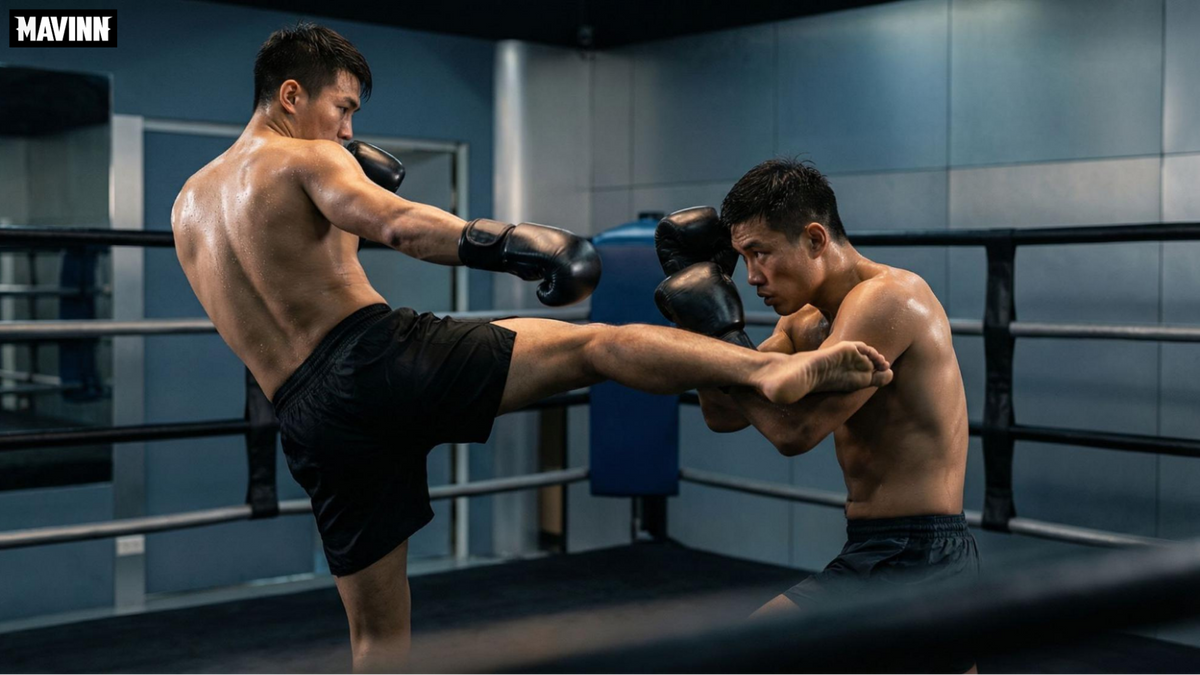
dutch kickboxing vs muay thai - Muay Thai utilizes the "art of eight limbs" including elbows and knees, whereas Dutch kickboxing focuses on high-volume boxing combinations that typically finish with a heavy low kick.
-
Muay Thai practitioners rely on a rhythmic, patient stance built for clinch dominance and powerful single strikes, while the Dutch style emphasizes relentless forward pressure and sophisticated hand-to-leg transitions.
-
The technical depth of the Thai clinch and vertical defensive posture contrasts with the Dutch preference for "in-the-pocket" exchanges and head movement borrowed from Western boxing.
-
Most modern kickboxing rulesets restrict the prolonged clinching and elbow strikes central to Muay Thai, often making the Dutch approach more effective for athletes competing in K-1 or Glory-style promotions.
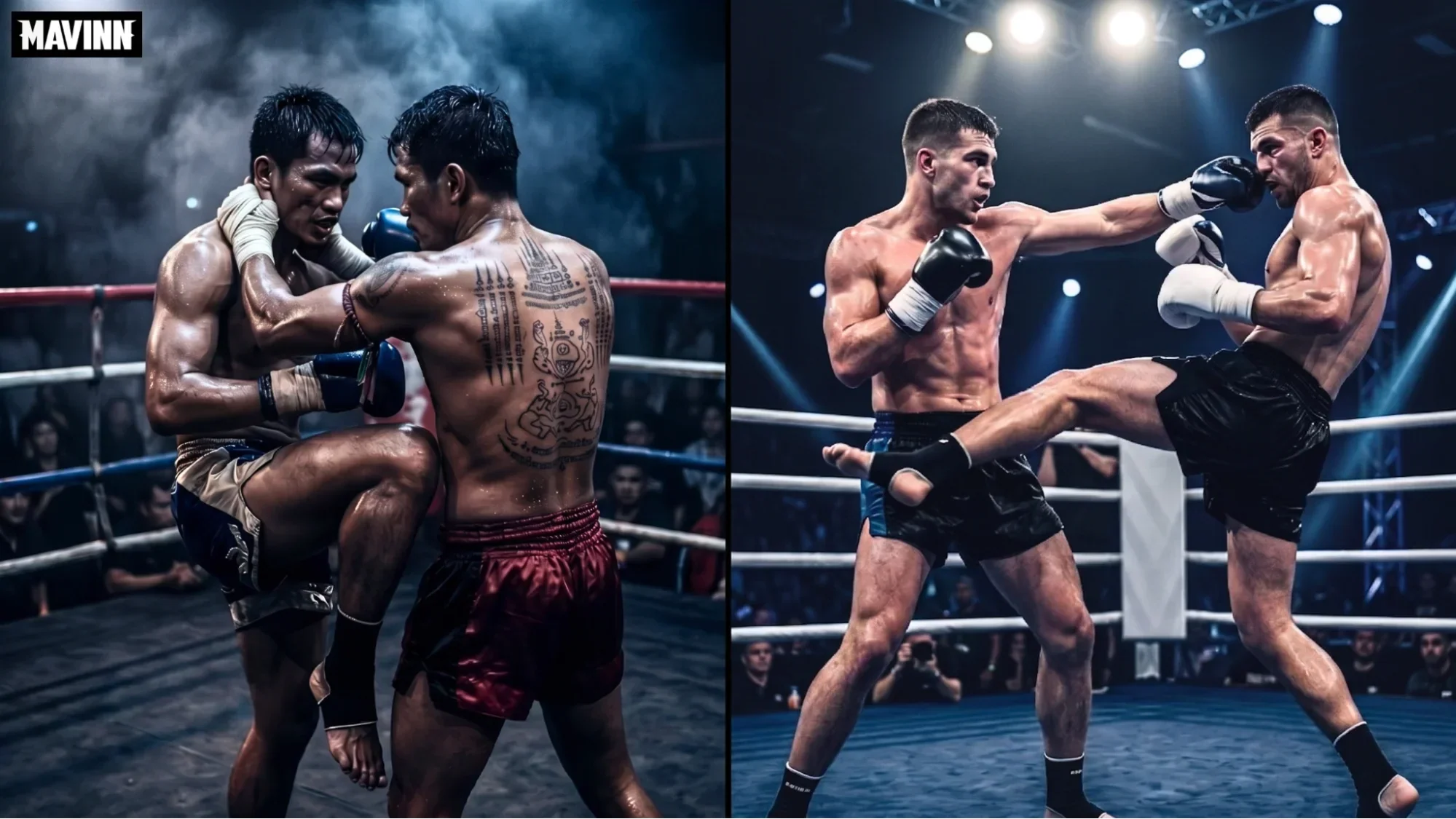
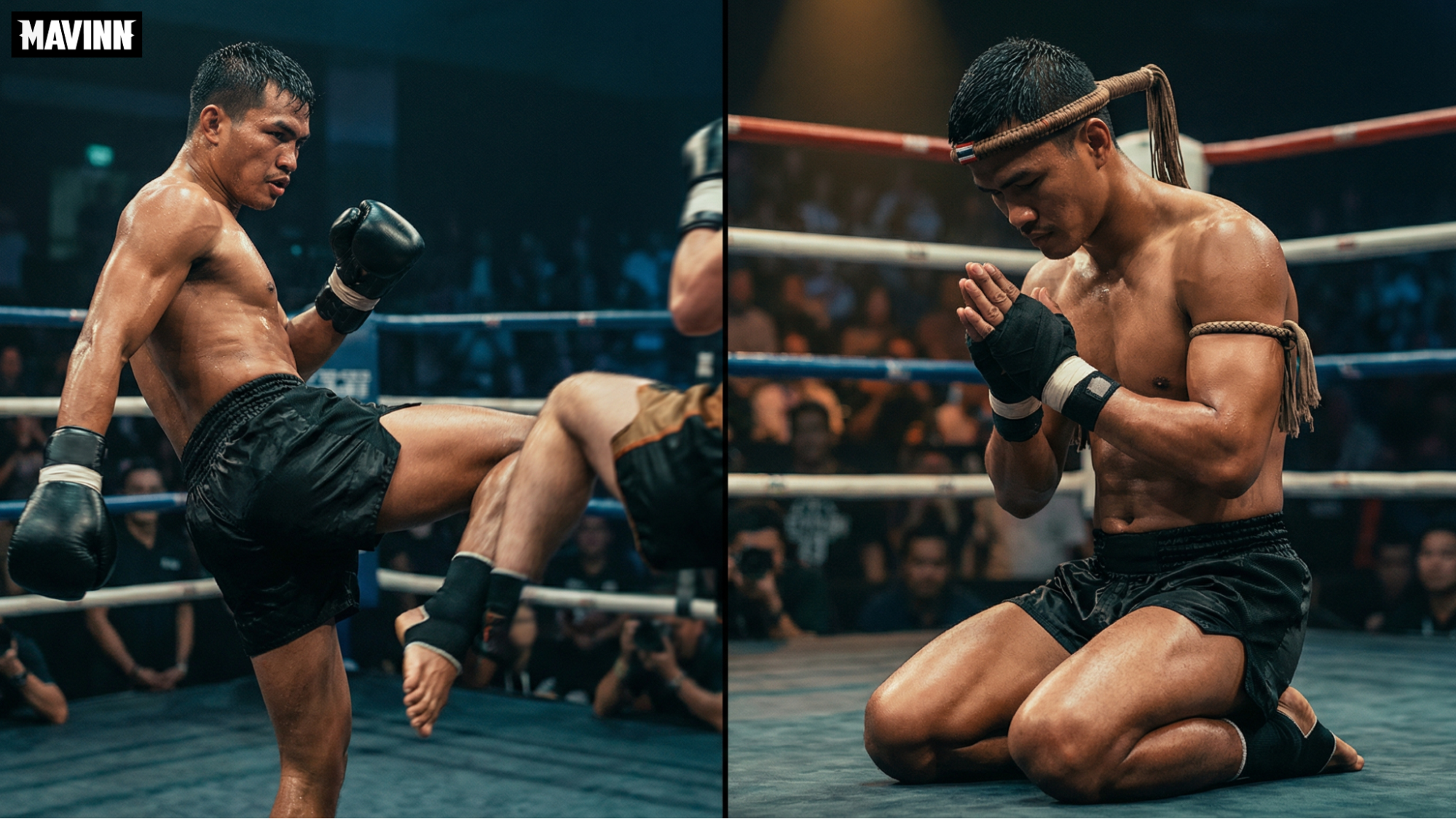
If you are wondering are kickboxing and muay thai the same, the answer is no. The core difference in dutch kickboxing vs muay thai lies in the delivery of strikes and the range of legal weapons. While Muay Thai utilizes the "art of eight limbs" and clinch dominance, the Dutch style prioritizes high-volume Western boxing combinations finished with punishing low kicks.
Understanding these mechanical shifts is essential, as modern K-1 rulesets often favor the Dutch system's aggressive forward pressure over the patient, rhythmic pacing found in traditional Thai stadiums.
Table of Contents
- Key Takeaways
- Difference 1 Striking weapons and volume in Dutch kickboxing vs Muay Thai
- Difference 2 The clinch and elbows rule in Dutch kickboxing vs Muay Thai
- Difference 3 Stance and footwork in Dutch kickboxing vs Muay Thai
- Difference 4 Defense and counter striking styles
- Difference 5 Training drills and sparring culture
- Conclusion
Difference 1 Striking weapons and volume in Dutch kickboxing vs Muay Thai

The main difference in dutch kickboxing vs muay thai is the strike density and the variety of legal weapons. While Muay Thai includes elbows and knees as the "art of eight limbs," the Dutch style focuses on high-volume boxing combinations that culminate in a heavy low kick. Dutch practitioners typically favor 4-to-5 strike flurries to break an opponent’s guard rather than the patient, single-strike approach common in Thai stadiums.
Muay Thai emphasizes clinch dominance and vertical posture, but the Dutch style thrives on "in-the-pocket" exchanges and boxing-style head movement. This system trades the traditional Thai rhythm for relentless forward pressure and complex hand-to-leg transitions. Because K-1 and Glory rules restrict prolonged clinching, the Dutch method of scoring through sheer volume often proves more successful in modern kickboxing circles.
| Feature | Dutch Kickboxing | Muay Thai |
|---|---|---|
| Primary Weapons | Punches, Kicks, Knees | Punches, Kicks, Knees, Elbows |
| Striking Volume | High-volume boxing combos | Single, heavy power strikes |
| Clinching | Brief (limited to active strikes) | Prolonged (dominant control/dumps) |
| Movement | Boxing-style head movement/angles | Vertical stance and rhythmic timing |
| Finishing Move | Punch-to-low kick transitions | Mid-to-high body kicks or knees |
Difference 2 The clinch and elbows rule in Dutch kickboxing vs Muay Thai

The fundamental difference in dutch kickboxing vs muay thai lies in the "art of eight limbs" being reduced to six. Traditional Muay Thai rewards long-duration clinching and razor-sharp elbow strikes that often end fights via medical stoppage. Modern Dutch kickboxing, primarily governed by K-1 or Glory rules, bans elbows entirely to ensure a faster, more explosive striking pace.
Referees in Dutch-style bouts will break a clinch almost instantly unless an immediate knee strike is thrown. This prevents the tactical stalling common in Thai stadiums, forcing you to rely on punching power and low-kick exits. In contrast, a Muay Thai fighter uses the clinch as a dominant offensive platform to sap an opponent's energy and land vertical elbows from the "plum" position.
| Rule Element | Muay Thai | Dutch Kickboxing |
|---|---|---|
| Elbow Strikes | Legal (all variations) | Prohibited in most rulesets |
| Clinching Duration | Unlimited (until inactive) | 3-5 seconds or 1 active knee |
| Knees in Clinch | Unlimited strikes | Limited (usually one per entry) |
| Neck Wrestling | Core technique (The Plum) | Disallowed or strictly broken |
Difference 3 Stance and footwork in Dutch kickboxing vs Muay Thai

The core contrast in dutch kickboxing vs muay thai lies in weight distribution and torso alignment. Dutch fighters adopt a boxing-centric, crouched stance to facilitate explosive head movement and rapid-fire punching combinations. Conversely, Thai stylists stand tall and squared-up, keeping their lead foot light to check incoming kicks at a moment's notice.
Dutch kickboxers utilize lateral movement and pivot points to create angles, much like a traditional pugilist. A Muay Thai fighter moves with a rhythmic, linear march that prioritizes stability and the power of mid-range weapons. This linear style focuses on the rhythmic tapping of the lead foot to maintain defensive timing against low kicks.
| Stance Element | Dutch Kickboxing | Muay Thai |
|---|---|---|
| Weight Distribution | 50/50 (Neutral) | 70/30 (Back-heavy) |
| Torso Position | Hips forward, chin tucked | Squared-up, vertical spine |
| Footwork Pattern | Lateral circling and pivoting | Linear marching and "tep" rhythm |
| Lead Leg Use | Planted for punching leverage | Light for checks and teeps |
Difference 4 Defense and counter striking styles

Dutch kickboxing utilizes a tight high-guard "shell" and boxing-inspired head movement to absorb pressure before exploding into multi-hit counters. Muay Thai defenders prioritize "checking" kicks with the shin and using a long guard to keep opponents at the end of their reach. This creates a tactical gap where Dutch fighters trade shots to land four-piece combinations, while Thai stylists look for the perfect window to land one devastating counter-kick.
In the dutch kickboxing vs muay thai defensive meta, Dutch fighters use slips and rolls to create angles for heavy hooks and uppercuts. Thai stylists maintain a rigid vertical posture, often intercepting an aggressive puncher with a stiff teep or a mid-level roundhouse. This reactive Thai style focuses on scoring through impact and balance, whereas Dutch counters emphasize overwhelming the opponent's guard with high-volume punching flurries.
| Defense/Counter Element | Muay Thai | Dutch Kickboxing |
|---|---|---|
| Primary Guard | Long guard (extended arms) | Tight boxing high-guard (shell) |
| Head Movement | Minimal (stays upright/stable) | Advanced (slips, rolls, ducks) |
| Leg Defense | Active shin checks | Footwork or "catching" to trade |
| Countering Logic | Single, high-impact power shots | High-volume punch-to-kick combos |
| Movement Goal | Disrupt rhythm and intercept | Create angles and overwhelm |
Dutch high guard vs Muay Thai long guard
The Dutch high guard functions as a tight "shell" designed for high-volume boxing exchanges, while the Muay Thai long guard acts as a physical barrier to keep opponents at bay. In the dutch kickboxing vs muay thai defensive meta, the Dutch shell allows you to absorb pressure and stay in the pocket to fire off heavy four-hit combinations. This compact defense relies on tucked elbows and a lowered chin to protect the chin and liver from mid-range hooks.
Conversely, the Muay Thai long guard prioritizes distance control by extending the lead arm to frame against an opponent’s shoulders or forehead. This vertical posture helps you spot incoming head kicks and provides a structural anchor to transition into a clinch or a spearing knee. By using a stiff-arm frame, Thai stylists effectively kill the momentum of aggressive Dutch-style punchers before they enter their preferred striking range.
| Defensive Feature | Dutch High Guard | Muay Thai Long Guard |
|---|---|---|
| Hand Position | Tucked against the temples | One or both arms extended forward |
| Primary Goal | Absorbing impact to counter | Distance management and framing |
| Footwork | Moving forward or pivoting | Bracing or "marching" backward |
| Common Counter | Hook-cross-low kick combo | Long knee or lead teep |
| Key Weakness | Vision can be slightly obscured | Vulnerable to uppercuts and overhands |
Difference 5 Training drills and sparring culture

The core difference in dutch kickboxing vs muay thai training lies in the intensity of sparring and the structure of repetitive partner drills. Dutch gyms prioritize "Dutch Drills," where you and a partner trade high-volume combinations against each other’s gloves to build fluid rhythm and muscle memory. This method ensures you can fire a four-hit combination instinctively while under heavy fire in the pocket.
Muay Thai training emphasizes technical "play" sparring, known as sabai sabai, where fighters use light contact to prioritize timing and balance over raw power. Instead of preset partner combinations, Thai sessions focus heavily on rhythmic pad work and grueling clinch sessions to build functional core strength. You will often see professional Thai fighters spend extended time on knee-only clinching to master leverage and off-balancing.
| Training Element | Dutch Kickboxing | Muay Thai |
|---|---|---|
| Primary Drill Style | High-speed partner glove drills | Heavy pad work and bag sessions |
| Sparring Intensity | Frequent high-intensity rounds | Technical, light-contact "play" |
| Combination Flow | Punch-to-kick transitions | Single impact or 1-2 counters |
| Conditioning | High-intensity interval circuits | Long-distance roadwork and clinch |
| Clinching Focus | Limited to "catch and release" | Extensive neck wrestling and knees |
Dutch volume drills vs Thai technical sparring (Sabai Sabai)
Dutch kickboxing training relies on partner drills where you trade high-volume combinations to build instinctive, automatic responses. You repeat specific four-hit sequences against your partner’s gloves to master the rhythm of "giving and taking" without breaking your stance. This method ensures you can maintain a tight high guard and return fire instantly while under heavy pressure in the pocket.
Muay Thai sparring prioritizes sabai sabai or technical "play," where the goal is maintaining balance and timing rather than landing heavy blows. You use light contact to practice reading an opponent’s movement and finding the perfect moment for a single counter-strike. This relaxed approach preserves your body for long-term training while sharpening the ability to execute precision teeps and clinch sweeps during live rounds.
The core difference in dutch kickboxing vs muay thai training is how you develop "fight IQ." Dutch drills build a machine-like output through repetition, whereas Thai sparring focuses on the creativity of the clinch and the nuance of the long guard. Thai fighters often spend years perfecting the "rhythm of the dance" to remain calm and balanced during high-stakes exchanges.
Conclusion
Choosing between dutch kickboxing vs muay thai depends on whether you value the clinch-heavy "art of eight limbs" or the high-volume boxing combinations of the Netherlands. Muay Thai excels in traditional stadium settings where elbows and prolonged wrestling score high. Conversely, the Dutch style dominates in K-1 and Glory rulesets by focusing on relentless forward pressure and hand-to-leg transitions.
| Strategic Factor | Muay Thai | Dutch Kickboxing |
|---|---|---|
| Primary Weapons | 8 Limbs (inc. elbows) | 6 Limbs (no elbows) |
| Striking Volume | Single power shots | 4–5 hit flurries |
| Clinch Work | Deep "Plum" wrestling | Catch-and-release |
| Defense | Shin checks & long guard | Boxing slips & tight shell |
Both disciplines provide a high-intensity path to elite striking for fighters and athletes. Thai stylists use a vertical posture to intercept attacks with stiff teeps. Dutch fighters utilize lateral angles and head movement to land punishing low kicks at the end of every exchange.