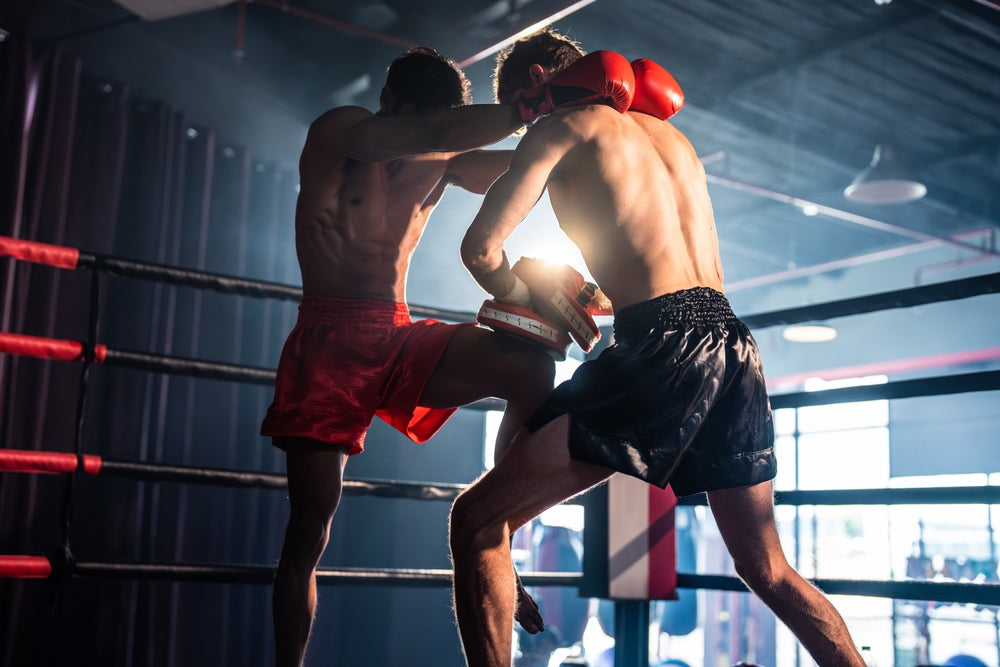
Article: Is Muay Thai Good for Self-Defence?
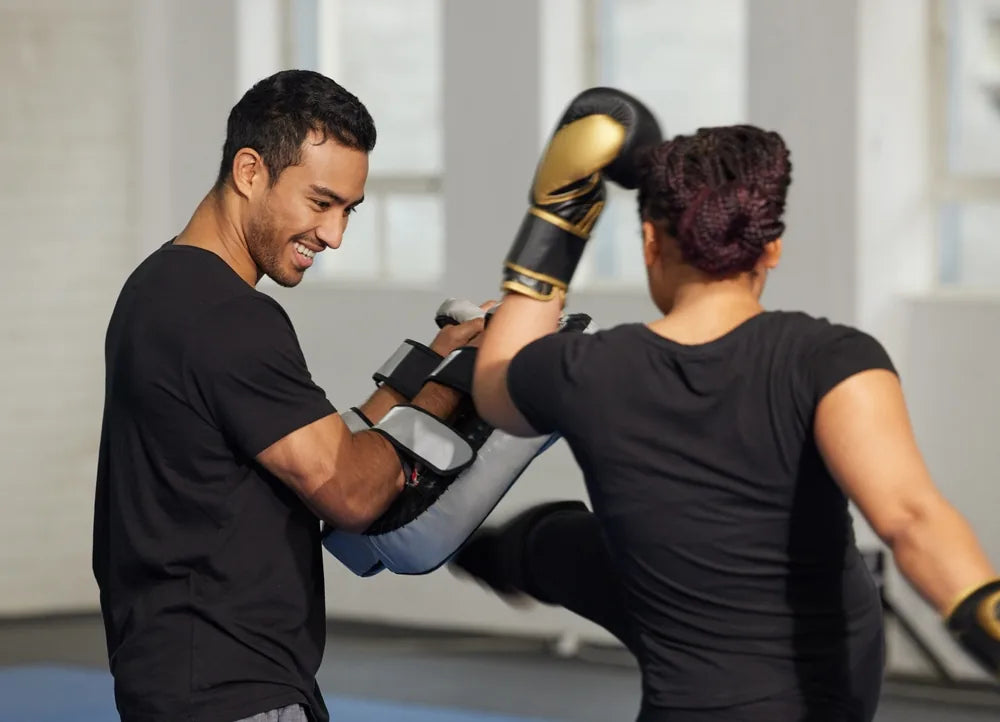
Is Muay Thai Good for Self-Defence?
Key Takeaways
-
Muay Thai for self-defence is strong on the striking side: punches, kicks, elbows, knees and clinch control, trained against a resisting partner.
-
Its biggest gap is ground fighting, so it is not a complete self-defence system on its own.
-
Awareness, de-escalation and escape still matter more than any single technique.
-
If you train, protect your hands and wrists with the right boxing Muay Thai gloves for the work you are doing.

Muay Thai, Thailand's celebrated art of eight limbs, trains punches, kicks, elbows, knees and close-range control against a resisting partner. This makes Muay Thai a strong, practical foundation for self-defence, building genuine fighting ability and the confidence that comes with it. It is most effective when you combine that skill with awareness, de-escalation, and the discretion to decide when to walk away.
Table of Contents
How Good Is Muay Thai for Self-Defence?
Muay Thai develops skills that can work for defending yourself at close range, built through repeated practice against resistance and controlled sparring.
Striking and Close-Range Techniques
Muay Thai gives you tools at every distance:
-
Short-Range Striking (Elbows & Knees): Highly effective in tight quarters where conventional punching power is compromised.
-
Distance Management (The Teep / Push Kick): Acts as a physical barrier to push aggressors back and prevent unwanted close-range engagement.
-
Multi-Range Striking (Punches & Roundhouses): Provides versatile offensive options across long- and mid-range distances.
-
Clinch Control: Teaches upright grappling and leverage, allowing practitioners to neutralize grabs, maintain balance, and create escape opportunities.
Footwork, Balance and Distance Management
These basics are important when you have to dodge an approaching strike.
-
Footwork: Keeps you upright and facing the threat, which is harder than it sounds once adrenaline hits.
-
Balance: Lets you move, strike or leave without stumbling.
-
Distance: Reading range tells you when you are close enough to be hit, so you react before a strike lands.
Conditioning and Composure
Regular training builds more than technique:
-
Fitness and strength: Cardiovascular conditioning and physical resilience that hold up if a situation drags on.
-
Stress response: Sparring adds pressure and unpredictability in a controlled setting, so you get used to responding under stress.
-
Composure: Staying calm under pressure lets you think and act instead of freezing, which often decides a confrontation more than any single technique.
How Muay Thai Holds Up in a Real Situation
While Muay Thai teaches the art of striking, your drills may not apply to every situation. Here is when to fight and when to retreat:
-
One-on-one and standing: Where the training pays off most, since striking, distance control and clinch work all apply. A teep keeps an aggressor at range while clinch control stops a grab from escalating.
-
Multiple attackers or a weapon: Goes beyond what any art prepares you for. Rely on situational awareness and try to make a quick, safe exit.
-
On the ground: Muay Thai is a standing art, so stay mobile and keep your feet, or cross-train a grappling art to close the gap.
Muay Thai vs Other Martial Arts for Self-Defence

Since no single martial art covers every self-defence case, it’s beneficial to understand where Muay Thai stands among other disciplines. Each one possesses a distinct strength, and understanding them helps determine what to train initially or incorporate afterwards.
Muay Thai vs Boxing
Boxing trains hands, head movement and footwork. It is fairly quick to learn because it focuses on a small set of tools. Meanwhile, Muay Thai keeps those punches and adds kicks, knees, elbows and the clinch, so you have more options to use at different ranges for when someone closes in.
Muay Thai vs BJJ and wrestling
If a confrontation goes to the floor, a grappling art like BJJ provides the escapes and positional control. Because many real altercations involve grabbing or clinching, many people who train seriously for self-defence combine a striking art with a grappling one to stay prepared both standing and on the ground.
Muay Thai vs Krav Maga and self-defence systems
Purpose-built self-defence systems such as Krav Maga drill situations that include weapon threats, multiple attackers and pre-emptive escape. However, these usually lack the resisting practice a combat sport gives you every session. Muay Thai training involves rehearsing under real pressure against a partner who is trying to hit back, which scenario-only training struggles to match.
Muay Thai vs MMA
MMA blends striking and grappling, so it technically covers more of a real fight than any single art. However, since you are learning several disciplines at once, it may take longer to learn. Muay Thai gives you a sharp, usable standing game sooner, which many beginners find more practical before branching out.
Muay Thai Training for Practical Self-Defence
If you are training Muay Thai with self-defence in mind, try to learn these habits:
-
Drill your defence: Guard, head movement, distance control and checking kicks keep you safe long enough to do anything else.
-
Spar under control: Working against a moving, resisting partner builds the timing, reactions and composure you cannot get on pads or a bag.
-
Train consistently: Steady, repeated practice builds reactions you can trust under stress, more than the occasional hard session.
-
Practise your exits: Drill creating distance and breaking away, so getting to safety becomes part of the training.
Choosing the Right Muay Thai Gloves for Training
Staying prepared through regular Muay Thai sessions builds your confidence and ability to meet a challenge head-on. For sessions that sharpen the close-range tools carrying the most power, like your knees, elbows and clinch work, your equipment matters. Wearing the right gloves shields your hands and wrists, allowing you to hit pads and spar intensely without getting hurt..
When you are ready to start defending yourself through training, equip yourself with the right boxing Muay Thai gloves from MAVINN, made in Thailand and tested by the coaching team behind the brand. Discover high-quality Muay Thai equipment today.
References
- Is Muay Thai Good for Self Defence? Retrieved August 17, 2026, from https://muaythai.com/is-muay-thai-good-for-self-defence/
- Is Muay Thai Good For Self-Defense? Retrieved August 17, 2026, from https://masterfighting.com/is-muay-thai-good-for-self-defense/
- Is Muay Thai Good for Self-Defense? Why or Why Not? Retrieved August 17, 2026, from https://prakaipetch.com.sg/muay-thai/is-muay-thai-good-for-self-defense-why-or-why-not/
- IFMA Muaythai Rules and Regulations. Retrieved August 17, 2026, from https://muaythai.sport/about-muaythai/muaythai-rules/
Frequently Asked Questions About Muay Thai for Self-Defence (FAQs)
Is Muay Thai good for self-defence?
Yes, for the striking side of it. Muay Thai develops punches, kicks, knees, elbows and clinch control, along with the conditioning and composure to use them under pressure. It works best as one part of a wider approach that prioritises awareness and escape.
How good is Muay Thai for self-defence?
It is strong for close-range striking and clinch control, and the fitness and calm it builds transfer well to stressful situations. Its main limitation is ground fighting, so it is not a complete self-defence system on its own.
Is Muay Thai kickboxing good for self-defence?
Muay Thai includes tools many kickboxing rule sets leave out, particularly elbows and clinch work, which are useful at close range. That range of close-quarters options is part of why it is often recommended for self-defence.
Is Muay Thai better than boxing for self-defence?
They are different. Boxing builds excellent hands and head movement, while Muay Thai adds kicks, knees, elbows and clinch control for more options at varied distances. The better choice depends on what you want to train and can stick with.
Can Muay Thai help you defend yourself against an attacker?
It can help by building striking ability, distance control and composure under stress. It is not a guarantee, and avoidance, de-escalation and leaving an unsafe situation should always come first.