Thailand Jiu Jitsu for World-Class Training in 2026
Key Takeaways
-
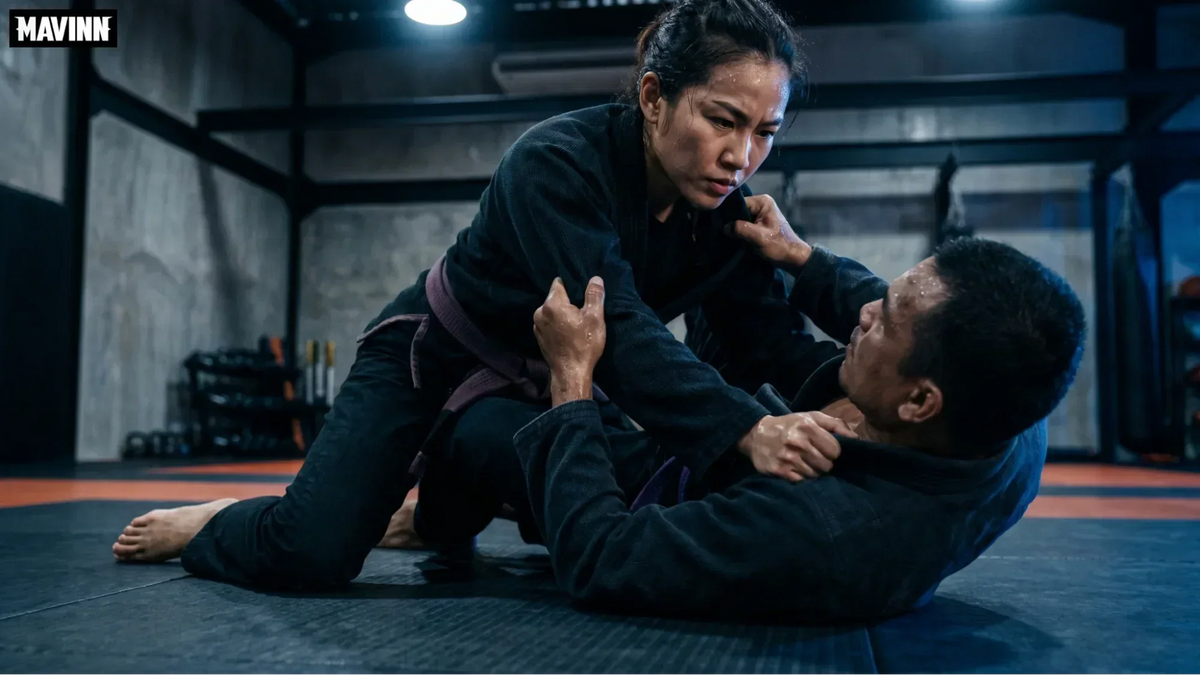
Thailand jiu jitsu - The country has become a global powerhouse where elite black belt instruction in Bangkok and Phuket now rivals top-tier Western academies.
-
Extreme humidity demands moisture-wicking, durable combat gear to handle the rigors of frequent training sessions and maintain hygiene.
-
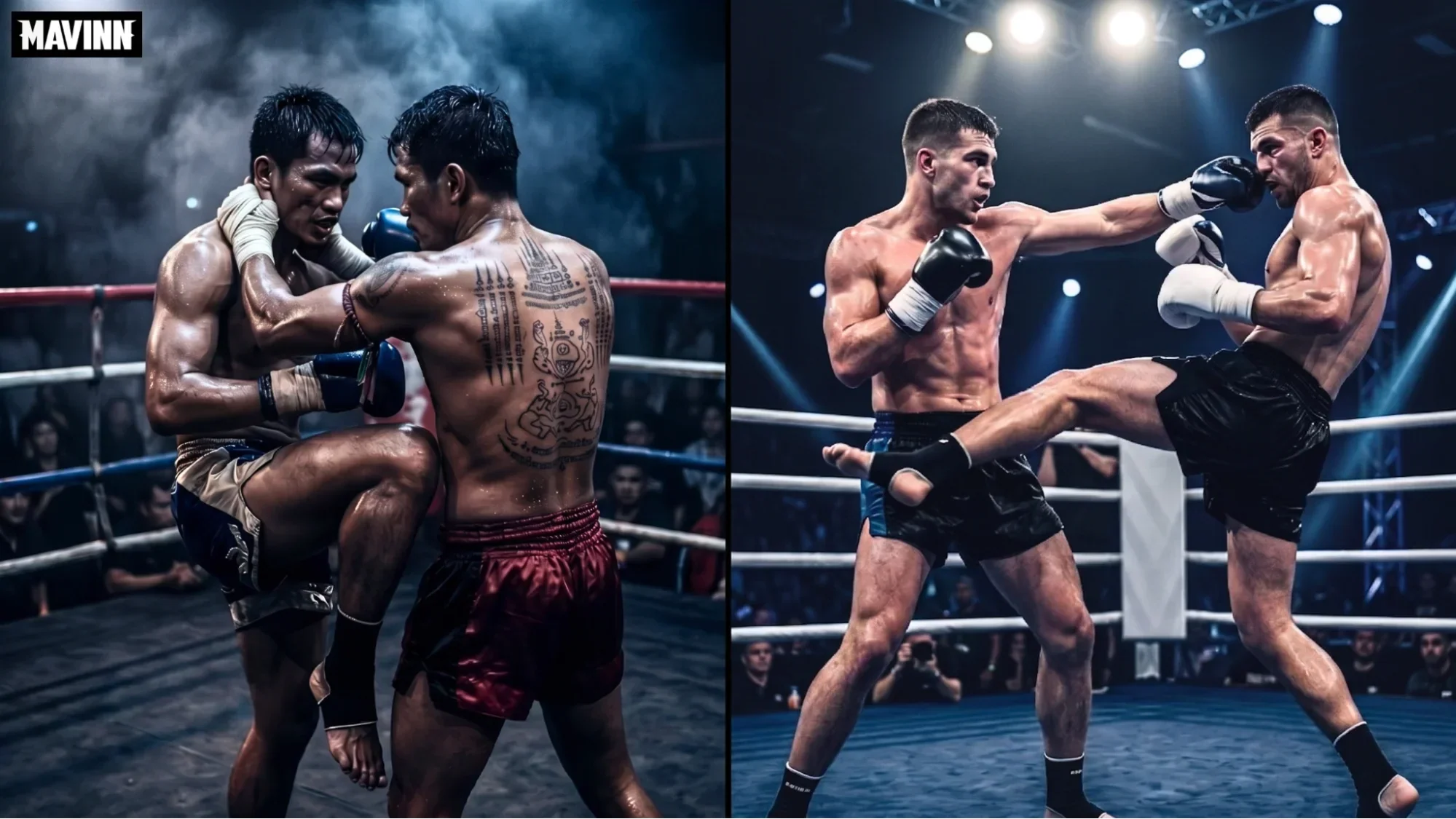
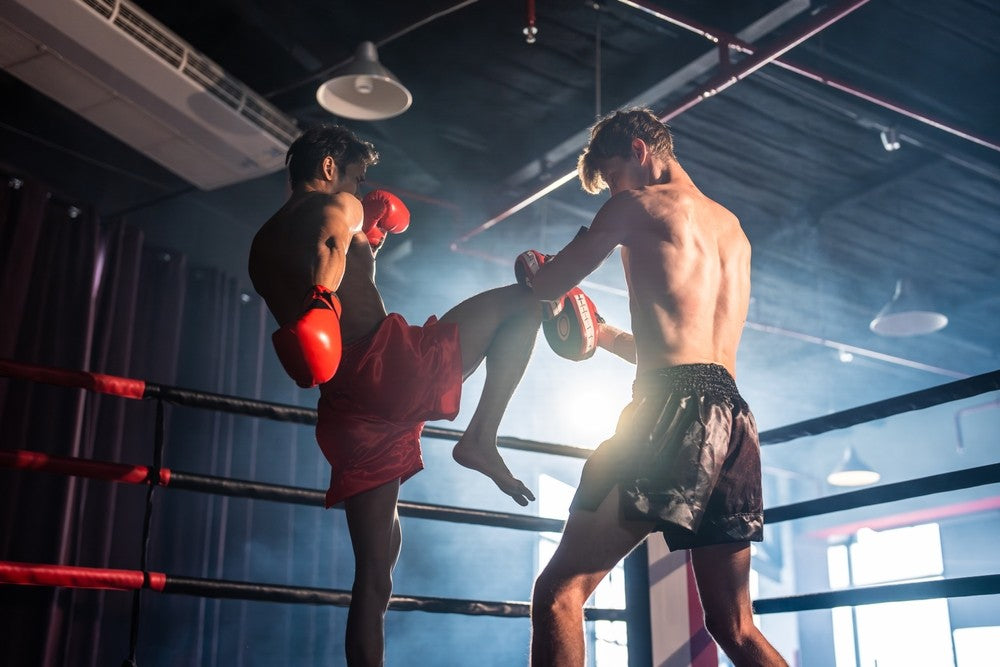
Integrating high-level grappling with Thailand’s deep-rooted Muay Thai culture creates a premier environment for developing a complete MMA skill set.
-
Lower living costs enable athletes to train full-time while accessing professional recovery infrastructure like ice baths and specialized sports massage.
Thailand jiu jitsu has officially emerged as a premier global hub, with world-class academies in Bangkok and Phuket rivaling the standards of top Western institutions in 2026. This evolution offers practitioners direct access to elite black-belt instruction and a high-density community of international competitors within a high-performance ecosystem.
The unique synergy of high-level grappling and Thailand’s deep-rooted Muay Thai culture allows athletes to build a complete MMA skill set efficiently. Coupled with professional recovery infrastructure and a low cost of living, the environment supports a full-time training lifestyle designed for peak performance and sustainable growth.
Table of Contents
- Key Takeaways
- Why Thailand jiu jitsu is becoming a global hub for grapplers
- Top destinations for the best Thailand jiu jitsu training camps
- What types of classes to expect in a program
- How to plan your ultimate Thailand jiu jitsu training trip
- Essential cross training gear for your Thailand jiu jitsu journey with MAVINN
- Conclusion
Why Thailand jiu jitsu is becoming a global hub for grapplers

Thailand jiu jitsu has evolved into a global powerhouse because you get world-class black belt instruction at a fraction of the cost found in major Western cities. Training hubs in Phuket and Bangkok now host elite instructors who provide a technical standard that rivals top-tier Brazilian and American academies. You can train full-time under ADCC veterans while spending less than $1,500 a month for your total living and training expenses.
The environment offers a unique synergy by blending high-level grappling with Thailand’s deep-rooted Muay Thai culture to build a complete MMA skill set. You gain direct access to professional recovery tools like ice baths and specialized sports massage that are often too expensive for full-time athletes elsewhere. This accessibility allows you to sustain a grueling training schedule alongside world-class sparring partners.
Training in extreme tropical humidity demands moisture-wicking, durable combat gear that can handle the rigors of frequent, high-intensity sessions. High-quality equipment is mandatory to maintain hygiene and prevent gear failure when you are rolling in 90% humidity. Most serious grapplers eventually move to areas like Soi Ta-ied to immerse themselves in this high-density ecosystem of elite gyms like Tiger Muay Thai or Bangtao.
Top destinations for the best Thailand jiu jitsu training camps

Phuket’s Chalong district is the undisputed capital for Thailand jiu jitsu, concentrating elite facilities like Bangtao Muay Thai & MMA and Tiger Muay Thai within walking distance. You gain immediate access to ADCC veterans and world-class black belts who lead three high-intensity sessions daily. This ecosystem is designed for maximum output, supported by recovery clinics and high-protein nutrition hubs lining Soi Ta-ied.
Bangkok offers a technical, urban experience at established gyms like Arete BJJ, while the northern and island regions cater to specific lifestyle needs. Chiang Mai provides an affordable home base for digital nomads training at Team Quest, whereas Samui and Phangan prioritize a tropical camp atmosphere. Each location maintains high standards, but your choice should align with whether you want pro-level intensity or a balanced training holiday.
| Region | Best For | Primary Academies |
|---|---|---|
| Phuket (Chalong) | Pro MMA / High Volume | Bangtao, Tiger Muay Thai |
| Bangkok | Technical Gi / Competition | Arete BJJ, Bangkok Fight Lab |
| Samui / Phangan | Tropical Recovery / Vibes | Samui Fight House, Diamond MMA |
| Chiang Mai | Long-term / Budget-Friendly | Team Quest, Chiang Mai Fight Fit |
Phuket (Chalong) – The global epicenter for professional athletes
Soi Ta-ied is the undisputed heart of thailand jiu jitsu, packing world-class training camps into a single square kilometer. You can train alongside ADCC veterans and professional MMA fighters in one of the most intense environments on earth, ensuring you gain a truly international, high-level training experience.
Facilities here are purpose-built for high-performance athletes. Renowned gyms like Bangtao Muay Thai & MMA and Tiger Muay Thai offer expansive grappling mats and comprehensive on-site recovery systems, including ice baths and saunas. This professional infrastructure is critical for surviving a rigorous weekly schedule despite the extreme tropical heat and humidity.
The vibe in Phuket perfectly balances the intensity of a professional fight camp with a laid-back beach lifestyle. It is the ultimate destination if you want to dedicate yourself entirely to full-time training while exchanging techniques with elite competitors from all over the world.
Bangkok – Technical academies in the urban metropolis
For those seeking technical diversity, exploring thailand jiu jitsu in Bangkok is the optimal choice. Centrally located gyms like Arete BJJ or Bangkok Fight Lab focus on modern instruction and high-level academy standards, offering flexible schedules that perfectly accommodate an active urban lifestyle.
A major advantage of training in the capital is the prevalence of air-conditioned facilities, allowing you to train comfortably for longer periods without battling the extreme humidity. The city attracts a constant flow of local and expatriate black belts, ensuring you face a wide variety of grappling styles and constantly test your skills against different pressure levels.
Beyond the mats, Bangkok provides a highly convenient living experience and frequently hosts seminars led by world-class competitors. It is the ideal hub for athletes looking to deepen their technical knowledge while immersing themselves in a fast-paced, competitive environment.
Samui / Phangan – Boutique training and ultimate recovery
If you prefer a quieter environment with highly personalized instruction, training thailand jiu jitsu on the islands of Samui or Phangan is a standout option. Gyms here typically feature smaller class sizes, allowing instructors to provide 1-on-1 feedback and focus deeply on correcting individual technical details.
The training atmosphere in the islands prioritizes a balanced, healthy lifestyle. You can start your morning with a technical drilling session and spend your afternoon actively recovering by the ocean, seamlessly blending physical conditioning with mental relaxation in a welcoming, community-driven space.
While the academies may be smaller than the commercial mega-gyms in Phuket or Bangkok, the quality of instruction remains at a high international standard. This setting is perfect for sports tourists and digital nomads who want to maintain their training discipline without the relentless pressure of a professional fight camp.
Chiang Mai – Technical retreats in the northern mountains
Chiang Mai offers a completely different thailand jiu jitsu experience, characterized by cooler weather and a much slower pace of life. Academies like CNX BJJ and Team Quest Thailand are highly popular among practitioners looking to commit to long-term training camps focused heavily on serious skill acquisition.
Training in the north shifts the focus toward meticulous technical drilling and active recovery. Surrounded by mountainous nature and a strong local cafe culture, athletes can easily find the perfect balance between intense sessions and restful downtime, keeping the mind sharp and ready to absorb complex techniques.
With an incredibly affordable cost of living and a distraction-free environment, Chiang Mai is an excellent destination for martial artists who want to escape the chaos. It allows you to zero in on the finer points of your grappling game amidst the fresh air and tranquil landscapes of northern Thailand.
What types of classes to expect in a program

You will find a balanced mix of Gi and No-Gi sessions in most thailand jiu jitsu programs, with a heavy emphasis on No-Gi due to the tropical climate. Most gyms schedule traditional Gi classes in the cooler mornings while reserving high-paced submission grappling for the evening slots. Top-tier academies consistently integrate wrestling-based takedowns to complement the local MMA scene.
Standard programs divide daily schedules into fundamental technique blocks and dedicated "live rolling" sessions to cater to both beginners and advanced athletes. Expect a 90-minute session structure that starts with dynamic warm-ups followed by technical drills and live positional sparring. Many academies host "Open Mat" sessions on Saturdays, drawing a diverse crowd of global competitors to the mats.
Competition-focused classes prioritize high-intensity drilling and strategic scoring under ADCC or IBJJF rulesets for those looking to test their skills. These sessions emphasize cardiovascular conditioning and "shark tank" rounds to build the mental grit required for elite combat sports. You can expect to dedicate a significant portion of each advanced class to live sparring from disadvantageous positions.
| Feature | Traditional Gi | Modern No Gi & Wrestling |
|---|---|---|
| Primary Attire | Heavy cotton kimono and belt | Rash guards and fight shorts |
| Combat Pace | Slower, tactical, and grip-heavy | Fast, explosive, and scramble-based |
| Control Points | Collar, sleeve, and pant grips | Overhooks, underhooks, and neck ties |
| Key Focus | Complex guard play and sweeps | Takedowns, leg locks, and clinch work |
How to plan your ultimate Thailand jiu jitsu training trip

Choose your training hub based on your desired intensity, with Phuket’s "Soi Ta-iad" offering a concentrated fight camp atmosphere and Bangkok providing elite, technical academy environments. You should secure accommodation within walking distance of your chosen gym to avoid commuting in 35-degree heat and heavy traffic. Timing your visit between November and March ensures you avoid the peak monsoon season while training alongside a high volume of visiting black belts.
Pack at least four sets of gear because the extreme humidity makes it nearly impossible to dry laundry between daily double-sessions. You must maintain a strict hygiene protocol using antimicrobial soaps to stay on the mats and avoid common skin infections prevalent in tropical climates. Investing in high-performance rash guards is essential for your Thailand jiu jitsu trip to manage sweat and protect your skin during high-friction scrambles.
Choosing between all inclusive retreats and local gym memberships
You should choose an all-inclusive retreat if you want a turnkey "fight vacation" where training, meals, and housing are located on a single street. These packages eliminate logistical stress, allowing you to focus entirely on two or three sessions of Thailand jiu jitsu daily. Beginners often benefit from this structure because it provides a built-in community and direct access to on-site recovery facilities like saunas and ice baths.
| Feature | All-Inclusive Retreat | Local Gym Membership |
|---|---|---|
| Primary Focus | Immersion and convenience | Technical growth and flexibility |
| Accommodation | On-site or walking distance | Independent rental (Airbnb/Condo) |
| Typical Cost | $1,500–$2,800 per month | $120–$200 per month (training only) |
| Best For | Short-term "fight camp" trips | Digital nomads and long-term stays |
Local gym memberships offer a more authentic experience and significant cost savings for practitioners staying longer than 30 days. You will train alongside resident black belts and locals, often receiving more personalized technical feedback during smaller class sizes. This route requires you to navigate the local food scene independently, but it allows for deeper immersion into the city's culture outside the commercial fight camps.
Essential cross training gear for your Thailand jiu jitsu journey with MAVINN

Serious grapplers training in Thailand often add Muay Thai sessions to sharpen their striking foundation. The MAVINN Shin Guard — Balance in Control is built for the repeated contact of daily sparring, giving you reliable tibia coverage whether you are working Muay Thai combos between your No-Gi sessions or drilling clinch work.
Conclusion
Thailand jiu jitsu offers a competitive edge by combining elite black-belt instruction with an affordable, high-performance lifestyle. You can sustain a professional training schedule for approximately $1,500 a month in hubs like Phuket or Bangkok. This ecosystem allows you to blend high-level grappling with world-class Muay Thai while accessing specialized recovery tools like ice baths and sports massage.
Survival in this tropical environment depends on managing 90% humidity with durable, moisture-wicking combat gear. Investing in a high-performance combat collection ensures you stay on the mats at world-renowned facilities like Bangtao Muay Thai & MMA or Tiger Muay Thai.