Nak Muay Meaning and 7 Key Terms Every Fan Knows
Key Takeaways
-
nak muay - This term defines a dedicated practitioner of Muay Thai, representing a commitment to the discipline, culture, and rigorous training of the "Art of Eight Limbs."
-
Authentic training focuses on more than just combat skills, requiring a balance of mental resilience, technical precision, and respect for traditional Thai heritage.
-
Modern practitioners often bridge the gap between high-performance gym sessions and street culture, seeking gear that functions at a professional level while reflecting a bold, active lifestyle.
-
Progress in this discipline is measured by consistency and the ability to apply complex striking techniques under pressure, regardless of whether the goal is professional competition or personal fitness.
A nak muay is a dedicated practitioner of Muay Thai who commits to the discipline and technical mastery of the "Art of Eight Limbs." This path demands mental resilience and precision to balance combat skills with traditional Thai heritage. MAVINN gear bridges the gap between professional gym performance and modern street culture.
Progress is measured by your ability to execute complex strikes under pressure during competition or personal training. You need functional apparel that supports high-intensity movement while reflecting a bold, active identity. Serious practitioners commit to consistent weekly training to maintain their technical edge.
Table of Contents
What is the true meaning of a Nak Muay ?

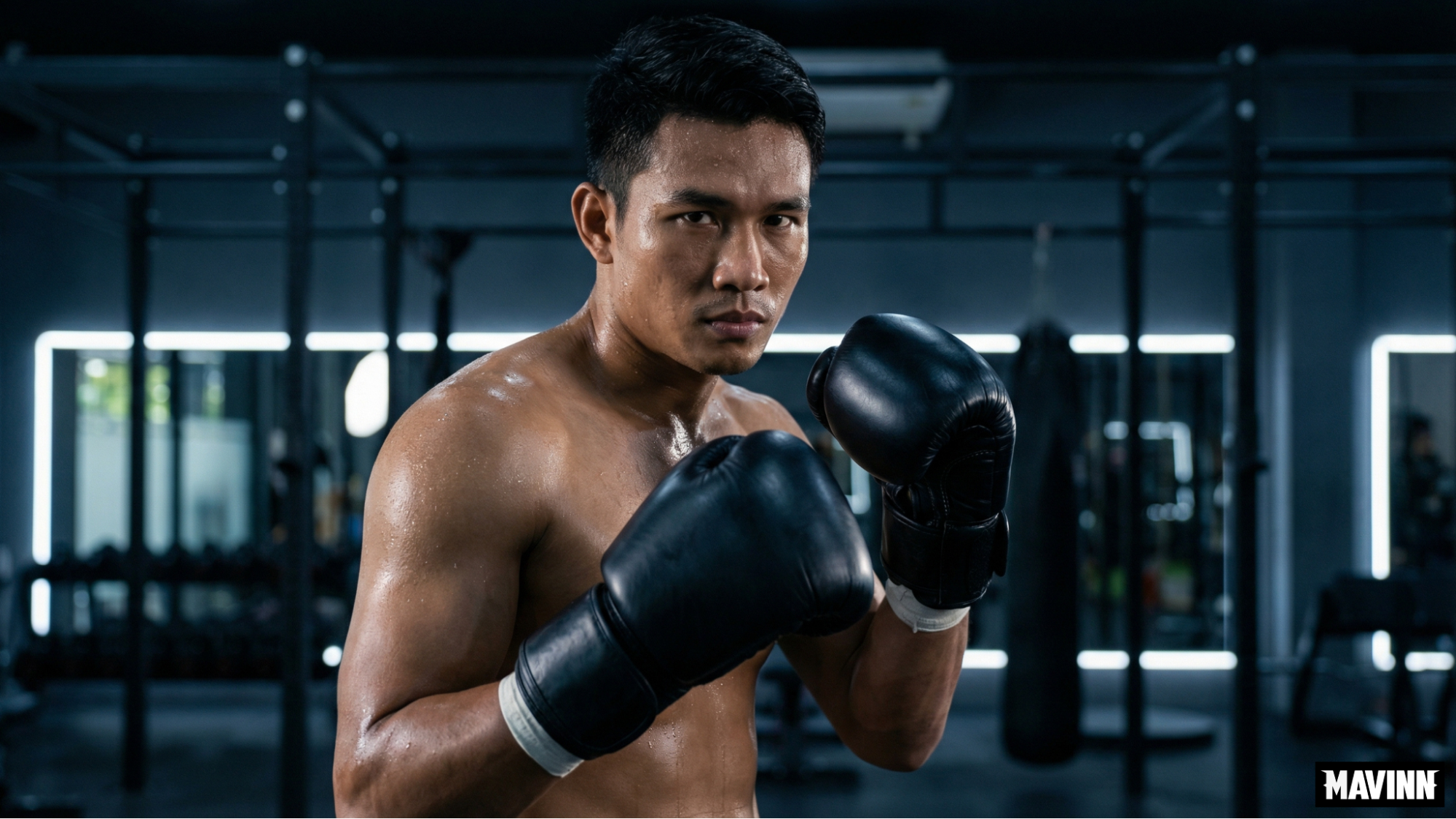
A nak muay is a dedicated practitioner of Muay Thai who has transitioned from a casual student to a disciplined warrior of the Art of Eight Limbs. This title represents more than just knowing how to strike; it signifies a deep commitment to the cultural heritage, technical precision, and mental grit required to perform. This identity bridges the grueling physical demands of the gym and the bold, unapologetic aesthetic of modern street culture.
Achieving this status requires the consistent application of complex striking combinations under high-pressure sparring or competition. You must develop a technical edge that allows for fluid movement while maintaining the structural integrity of your stance and defense. Most serious athletes reach this level of proficiency by committing to consistent, focused weekly training sessions.
The History and Origins of the "Nak Muay

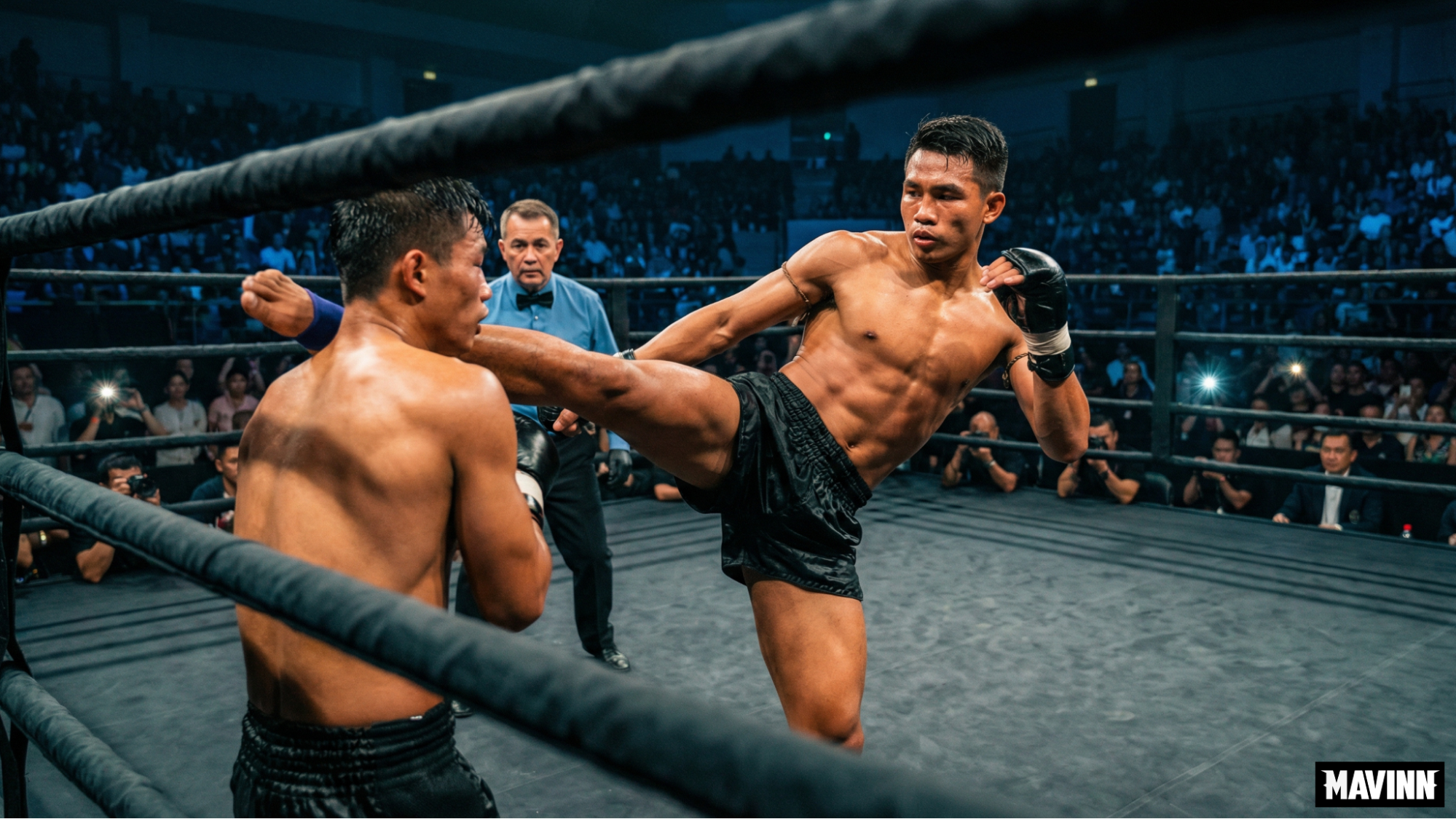
The term nak muay translates to "muay practitioner" and traces its roots to the ancient Siamese battlefield where soldiers utilized the "Art of Eight Limbs" as a primary survival skill. During the Ayutthaya period, these combatants were essential to national defense, perfecting striking techniques that utilized shins, knees, and elbows. This tradition was solidified in 1774 when the legendary Nai Khanom Tom utilized these skills to defeat ten Burmese fighters in a single afternoon.
The transition from military utility to a regulated sport began in the early 1920s, incorporating Western influences like timed rounds and leather gloves. This evolution is the foundation of the modern fighter's identity, merging the raw grit of ancient combat with the refined precision required in today's professional circuits. Serious practitioners now carry this heritage into modern training camps, where high-volume conditioning remains central to their development.
7 Essential Nak Muay vocabulary terms you need to learn

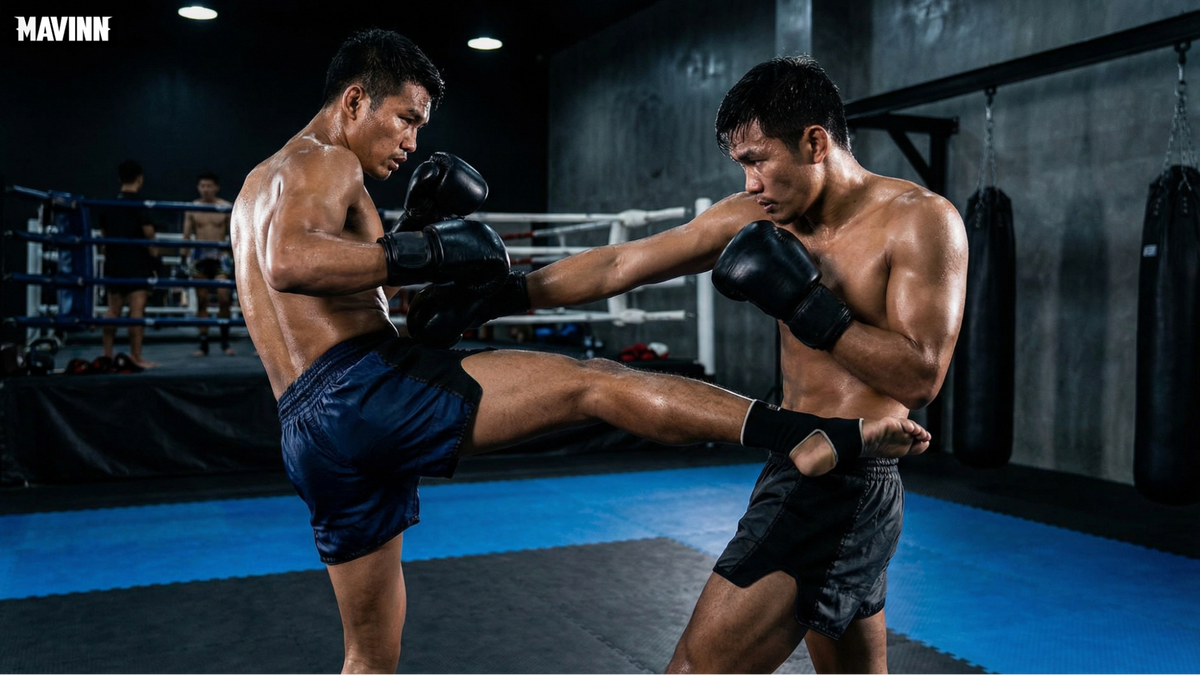
Mastering the language of the gym is as vital as perfecting your roundhouse kick for any aspiring nak muay. You must understand Wai Kru, the ritual dance of respect, and the Teep, a versatile front push kick used to manage distance. Every session involves the Khao (knee) and Sok (elbow), which are the defining close-range weapons that make up the "Art of Eight Limbs." Professional fighters in Thailand execute high-volume Teeps during training weeks to build precision.
Communication during training or sparring often revolves around Plum, the technical term for clinching, and the iconic Oowee shout used by trainers to acknowledge clean strikes. You should also recognize the Ram Muay, the specific movement sequence that honors a fighter's teacher and gym lineage. These terms form the verbal backbone of a culture where practitioners commit to extensive bag work to refine their technical edge.
Wai Kru Ram Muay A sign of respect
The Wai Kru Ram Muay is a sacred ritual performed by every nak muay to honor their mentors, ancestors, and the spirit of the ring. This sequence serves as a final physical warm-up while allowing you to "seal" the four corners of the ring from negative influences. Most practitioners synchronize their movements to the rhythmic tempo of Sarama music, which signals the transition from student to warrior.
This tradition showcases your gym’s unique lineage and your commitment to the cultural roots of the sport. The slow, deliberate motions help lower the heart rate and sharpen mental focus before the high-intensity action starts. Professional matches in Thailand require this performance, typically lasting between 2 and 5 minutes to ensure the fighter is psychologically prepared for combat.
Nak Muay Farang The international scene
The Nak Muay Farang—or foreign fighter—has evolved from a spectator into a dominant force on the global stage. International practitioners now hold prestigious championship belts in elite stadiums like Rajadamnern, proving that high-level striking is no longer geographically confined. Major global promotions have accelerated this growth, broadcasting technical Muay Thai to audiences worldwide.
Modern training hubs in Phuket and Bangkok serve as melting pots where Western strength and conditioning meets traditional Thai clinch work. You will find that elite athletes from Europe and the USA often commit to six-month training residencies in Thailand to master technical timing and rhythm. This cultural exchange has elevated the standard of the nak muay globally, resulting in a more diverse and competitive professional circuit.
This international surge also influences combat lifestyle fashion, blending authentic ring aesthetics with modern urban utility. Many top-tier foreign fighters now compete upwards of 10 times per year to build their professional records within the local Thai circuit. This relentless activity ensures that the international scene remains as technically sharp as the traditional roots of the sport.
Mongkhon The spiritual side of fighting
The Mongkhon is a sacred headband that symbolizes your gym’s lineage and the spiritual protection granted by your Kru. Every nak muay wears this consecrated circle during their walkout and the Wai Kru ceremony to ward off negative energy and demonstrate mental readiness. You must never let this item touch the ground or step over it, as it remains the most spiritually significant part of a fighter’s traditional attire.
Traditionally, these headbands are hand-woven from rope and fabric, often containing hidden amulets or prayer scrolls blessed by monks. You do not technically own the Mongkhon; it belongs to your gym and is placed on your head only by your trainer to signify their trust in your skills. The trainer removes the piece only after the pre-fight ritual is complete, marking the exact transition from student to active combatant.
Kru The role of the instructor
The Kru is the spiritual and technical architect of your career, bridging the gap between raw athleticism and traditional mastery. Unlike a standard coach, a Kru inherits a lineage and is responsible for preserving the authentic style of their specific camp. This relationship is built on absolute loyalty and the "Phra Khru" blessing, often spanning decades of daily training.
During your development as a nak muay, the Kru refines your technical timing through thousands of hours of intense pad work. They hold the exclusive right to remove your Mongkhon before a fight, signifying your transition from student to active warrior. This ritual reinforces that you represent the gym’s entire history every time you step over the ropes. Many elite Thai instructors have competed at a high professional level before transitioning to full-time coaching.
Chap Ko (Clinch) Mastering close range combat
Chap Ko is the art of controlling your opponent's posture and balance through upper-body grappling to deliver high-impact knees and elbows. This technical phase defines a complete nak muay, transforming a standard exchange into a dominant display of leverage and strength. You must focus on pulling the crown of the head down while keeping your posture upright to neutralize your opponent's power.
Control is maintained by using your forearms as wedges against the collarbones rather than just pulling with your biceps. By manipulating the "Plumb" or double neck tie, you force your opponent’s chin toward their chest to break their spine alignment. This mechanical advantage allows even smaller fighters to off-balance larger opponents through subtle hip rotations and sweeps.
Mastering the transition from striking range into the clinch requires precise timing and head movement to avoid incoming elbows. Elite stadium fighters regularly dedicate significant time in every training session to live clinch sparring, known as "Dtee Khao." This relentless drill builds the specific neck and core endurance needed to survive a 5-round professional bout.
Teep The importance of footwork and defense
The teep is your primary tool for dictating the pace of a fight and neutralizing incoming pressure. A proficient nak muay uses the lead-leg push kick to spear an opponent’s solar plexus, stopping their forward momentum instantly. This strike acts as a tactical reset button that halts aggression by targeting the diaphragm.
Footwork provides the essential platform for the teep by keeping you in the optimal range to intercept strikes. You should maintain a balanced weight distribution, keeping roughly 60% on your rear leg to allow for an instant lead-leg response. This balanced stance allows you to fire a defensive teep rapidly, effectively shutting down high-volume punchers.
Kai Muay (Camp) Living the fighter lifestyle
Living in a Thai training camp transforms your perspective through absolute discipline and repetitive physical demand. You wake up at 5:30 AM for mandatory roadwork before starting the first of two daily training blocks. This immersive environment forces a nak muay to focus entirely on recovery and perfecting the 8 limbs.
The lifestyle revolves around a strict schedule that prioritizes performance over comfort. You eat communal meals designed for high caloric output and rest in shared quarters to foster brotherhood. Most camps require significant daily running and high-volume knee strikes on the heavy bags every single day.
Success in the camp depends on your ability to maintain intensity during drills while staying relaxed between sessions. You will spend your afternoons shadowing veteran fighters to learn the subtle nuances of timing and rhythm. Professional camps typically expect a minimum commitment of 2 to 4 weeks to see a noticeable shift in conditioning.
The Mindset: What separates a Nak Muay from a regular fighter?

A nak muay is defined by a deep-rooted "fighting heart" that views the ring as an extension of their daily existence rather than a seasonal sport. You embrace "Jai Soo," a mental resilience that allows you to absorb heavy kicks and elbows without breaking your technical composure. This mindset prioritizes emotional control, ensuring your execution remains sharp even during the most violent exchanges.
A regular fighter often relies on raw aggression or athleticism, whereas you focus on the "Sabai Sabai" philosophy of staying relaxed under fire. You value the legacy of your camp and the technical beauty of the 8 limbs over simple brawling. This shift in perspective transforms training from a chore into a mandatory ritual that dictates your lifestyle 6 days a week.
| Feature | Regular Fighter | Nak Muay |
|---|---|---|
| Primary Focus | Fitness or winning a trophy | Honoring the camp and lineage |
| Pacing | High-energy, erratic bursts | Controlled rhythm and timing |
| Resilience | Breaks under extreme fatigue | Endures through "Jai Soo" (Heart) |
| Composure | Emotionally reactive | Relaxed and calculated (Sabai Sabai) |
| Consistency | Trains for specific events | Maintains a year-round fight lifestyle |
Gear up like a true Nak Muay with authentic MAVINN equipment
Becoming a dedicated nak muay requires gear that withstands the constant friction of daily clinch work and heavy bag sessions. MAVINN equipment bridges the gap between high-performance combat protection and modern street aesthetics. MAVINN gloves feature high-density foam cores that maintain their shape through intensive daily training.
-
High-density boxing gloves with reinforced wrist support to prevent hyper-extension during heavy power punching.
-
Multi-layered shin guards contoured to prevent shifting during high-speed roundhouse kicks.
-
Lightweight, high-mobility shorts engineered for the full leg range required for head kicks.
-
Professional-length hand wraps that provide essential metacarpal protection during high-volume bag training.
MAVINN prioritizes materials like premium Microfiber and tear-resistant fabrics to ensure your kit survives the humidity of a traditional Thai training environment. Every piece undergoes testing by active fighters to ensure the ergonomics support technical precision rather than hindering movement. Selecting a stable 16oz sparring glove is non-negotiable for protecting your partners during technical clinch or sparring drills.
Conclusion
Becoming a nak muay means evolving from a casual student into a disciplined warrior of the Art of Eight Limbs. This identity requires a deep commitment to technical precision and the mental resilience known as Jai Soo. You must balance the sport’s ancient Thai roots with the high-performance demands of modern competition.
MAVINN gear bridges the gap between these grueling gym sessions and an unapologetic street lifestyle. MAVINN equipment is built to survive the impact of intensive daily training and clinching. Explore the MAVINN combat collection to gear up for your journey as a nak muay.
Progress in this discipline is ultimately defined by your consistency and the ability to stay relaxed under pressure. Serious practitioners maintain their technical edge by committing to consistent, focused training every week.