Muay Thai Rules Complete Guide for 2026
Key Takeaways
-
muay thai rules – Professional bouts follow a five-round structure of three minutes each, using a 10-point must system that prioritizes visible damage and technical dominance over the total volume of strikes.
-
Judges reward the "art of eight limbs," placing higher scoring value on clean body kicks, knees, and clinch control that forces an opponent to lose their footing or composure.
-
Mandatory safety equipment includes sanctioned 8oz to 10oz gloves and groin protection, while illegal moves like headbutting, biting, or wrestling-style hip tosses lead to strict point deductions.
-
Organizations like ONE Championship adapt these regulations by using 4oz small gloves and scoring the fight as a whole to encourage higher aggression and immediate impact.
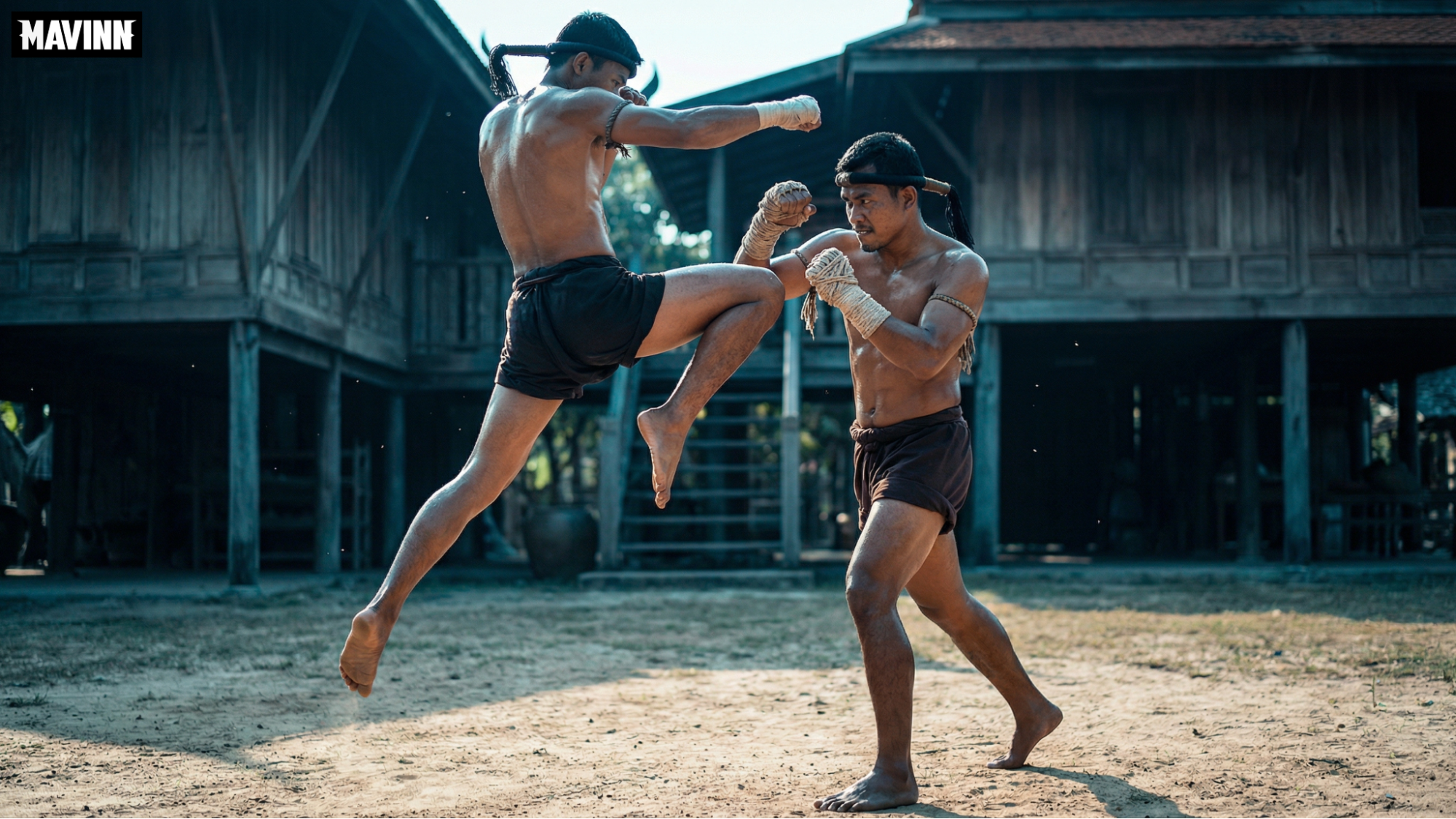
Muay Thai rules govern the use of eight points of contact—fists, elbows, knees, and shins—within a structured format of five 3-minute rounds. Unlike kickboxing, these regulations permit full-contact clinching and specialized strikes like spinning elbows or downward knees. Understanding these technical details is essential for anyone moving from a fan to a practitioner.
Referees score bouts based on effective striking and ring control, prioritizing damage and technique over volume alone. Professional fighters must wear regulated gear, including 10-ounce gloves and standard groin protection. These specific standards ensure athlete safety while maintaining the high-intensity nature of the sport.
Table of Contents
- Key Takeaways
- What are the fundamental Muay Thai rules ?
- Decoding the Muay Thai rules for scoring
- Common fouls and prohibited actions in Muay Thai rules
- How Muay Thai rules differ from kickboxing and MMA ?
- How do Muay Thai rules in ONE Championship differ from the WBC ?
- Professional vs. amateur Muay Thai rules Key differences
- Are there specific Muay Thai rules for female competitors?
- Conclusion
What are the fundamental Muay Thai rules ?

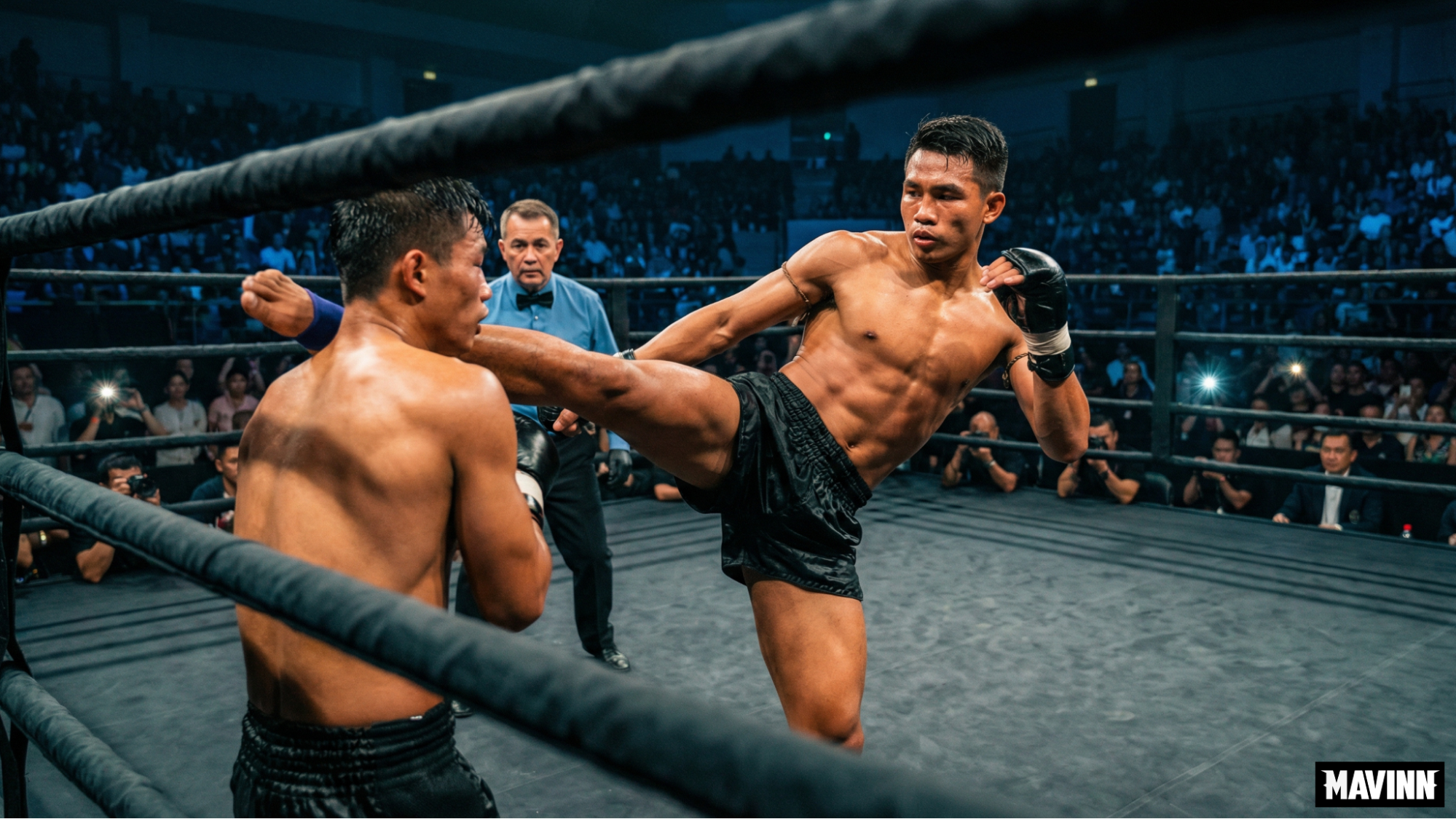
Professional muay thai rules mandate a five-round structure of three minutes each, separated by two-minute rest periods for recovery. You score points by landing clean strikes using your fists, elbows, knees, and shins, with judges prioritizing technical dominance and visible impact over raw striking volume. Traditional scoring follows a 10-point must system that heavily rewards body kicks and knees that clearly disrupt an opponent’s balance or composure.
Referees strictly enforce athlete safety by banning headbutts, eye-poking, and wrestling-style hip throws that are common in other combat sports. You must wear sanctioned 10oz gloves and mandatory groin protection to compete in professional stadiums like Rajadamnern or Lumpinee. Modern organizations often modify these standards by utilizing 4oz small gloves to encourage more aggressive exchanges and immediate impact knockouts.
| Feature | Standard Professional Regulation |
|---|---|
| Match Duration | 5 Rounds (3 minutes each) |
| Scoring Focus | Damage and technical dominance |
| Valid Strikes | Fists, Elbows, Knees, Shins, Clinch |
| Prohibited Acts | Headbutts, Biting, Hip Tosses |
Rounds, timing, and ring requirements
Professional muay thai rules mandate a five-round structure where each round lasts exactly three minutes, separated by two-minute rest periods. This specific timing balances cardiovascular endurance with the explosive power required for clinching and heavy striking. Many modern promotions adapt these regulations into three-round formats to encourage immediate aggression and higher knockout rates.
The combat area must be a square ring ranging from 20 to 24 feet between the ropes, providing enough space for strategic movement and corner trapping. Every surface is covered with high-density padding and canvas to prevent injuries during the frequent sweeps and dumps characteristic of the sport. Referees verify that you wear sanctioned 10oz gloves and a mandatory steel groin guard before the opening bell at stadiums like Lumpinee.
| Feature | Professional Standard | Details |
|---|---|---|
| Match Duration | 5 Rounds | 3-minute rounds; 2-minute rest |
| Ring Size | 20–24 Feet | Measured between the ropes |
| Glove Weight | 10 Ounces | Standard for most pro weight classes |
| Essential Gear | Steel Groin Guard | Mandatory for all professional bouts |
Required equipment and the MAVINN safety standard
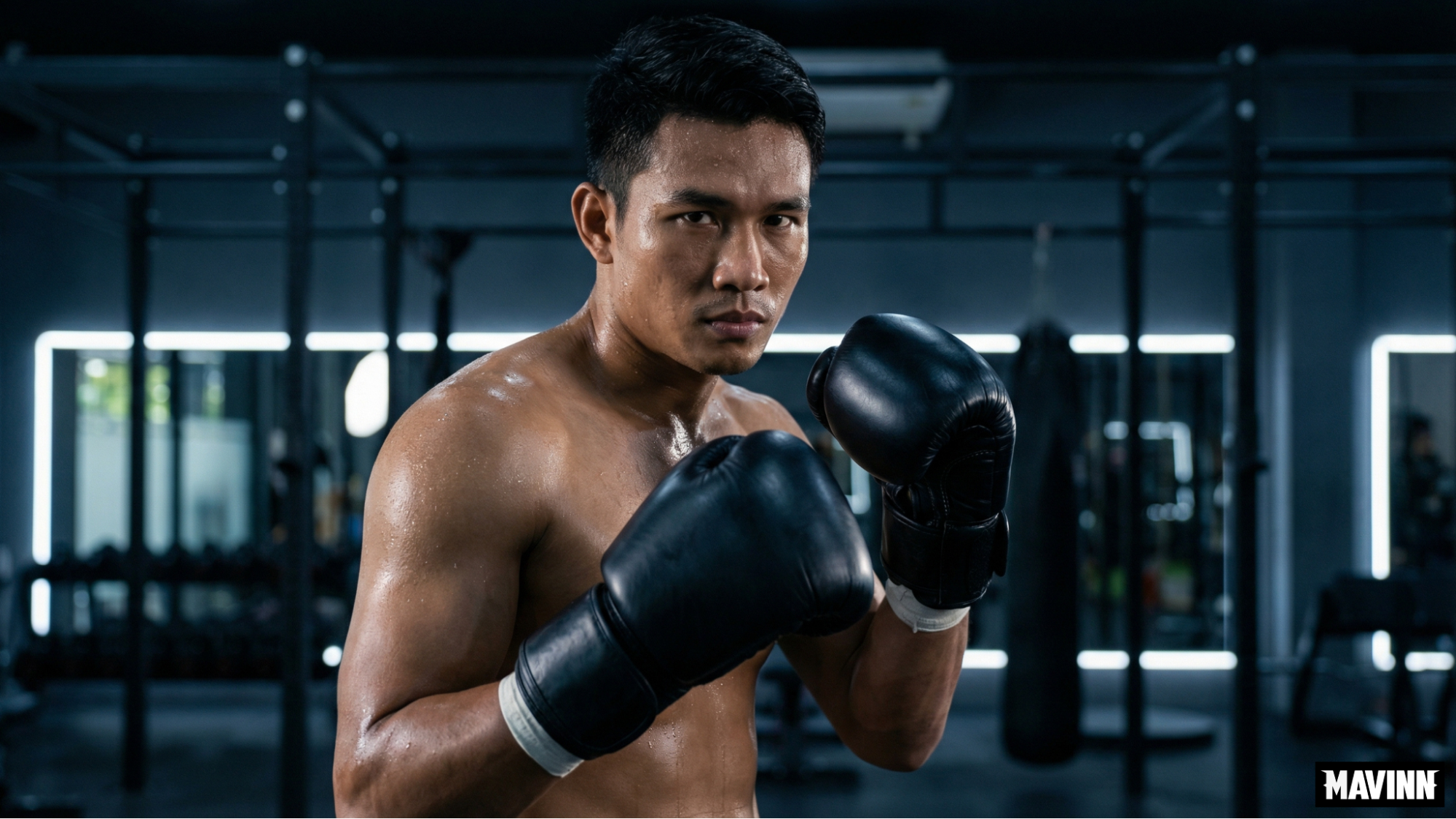
Professional muay thai rules mandate specific safety equipment to protect athletes from the high-impact nature of the sport. You must wear certified gear that balances mobility with maximum impact absorption to compete in any sanctioned stadium. MAVINN engineers its equipment to meet these rigid standards while incorporating a modern street aesthetic for the elite practitioner.
-
10oz gloves for traditional bouts or 4oz open-palm gloves for modern, aggressive promotions.
-
Surgical-grade hand wraps to support the wrist and prevent metacarpal fractures during heavy punching.
-
Steel groin cups, as standard plastic guards often shatter under the force of a direct knee strike.
-
High-density mouthguards to stabilize the jaw and prevent tooth loss during horizontal elbow exchanges.
Every piece of MAVINN equipment utilizes multi-layered foam padding built for the impact demands of professional training. MAVINN focuses on reinforced stitching and moisture-wicking linings to ensure gear maintains its weight and protection levels throughout a full five-round fight. MAVINN professional-grade gloves are built to maintain structural integrity through sustained high-intensity training.
Decoding the Muay Thai rules for scoring

Muay Thai scoring prioritizes total damage and technical dominance over the high-volume "point-fighting" seen in western kickboxing. While judges use a 10-point must system, they specifically look for the "effective strike"—clean shots that visibly disrupt your opponent's balance or physical composure. You win rounds by landing powerful kicks, knees, and elbows that force a physical reaction or cause clear structural damage.
Judges weigh body kicks and knees more heavily than punches because these strikes are harder to land and more taxing to absorb. If you dump your opponent with a sweep or dominate the clinch with superior neck control, you gain a massive scoring advantage regardless of punch volume. Referees at elite stadiums value fighters who maintain a strong posture and "fighting spirit" even when taking heavy fire.
The final two rounds often carry the most weight, as fighters must demonstrate stamina and closing ability under professional muay thai rules. You must remain aggressive but composed, as showing visible fatigue or "losing face" can negate earlier technical leads in a close decision. Professional bouts are decided by the fighter who maintains structural integrity while delivering strikes that force the referee to consider a standing eight count.
What judges look for during a fight ?
Judges prioritize visible damage over strike volume under professional muay thai rules, specifically rewarding the "effective strike" that disrupts an opponent’s physical composure. They assess how a fighter absorbs impact, favoring those who maintain a solid frame while their opponent’s defense begins to fail. You earn higher scores by landing heavy body kicks or knees that force a physical reset or a clear break in rhythm.
-
Physical Impact: Strikes that cause visible bruising, staggering, or a loss of structural integrity.
-
Technical Control: Dominating the clinch with superior leverage or executing clean sweeps that dump an opponent to the canvas.
-
Fighting Spirit: Maintaining a strong, upright posture and aggressive forward pressure even while absorbing heavy shots.
The final two rounds often determine the winner as judges look for the athlete who sustains power through the "championship minutes." Showing fatigue or losing face through poor balance can negate an early lead in a close decision. Professional bouts are won by the fighter who controls the center of the ring and finishes the fifth round with technical dominance.
Effective strikes vs. non scoring moves
Professional muay thai rules prioritize strikes that cause visible damage or force a change in your opponent's physical posture. You must land with enough force to disrupt their rhythm, as judges ignore strikes that merely touch the gloves without impact. A clean roundhouse kick to the ribs scores significantly more than a flurry of punches that land on the shoulders.
Effectiveness is also measured by your ability to stay balanced while your opponent falters. If you land a heavy knee but slip to the canvas immediately after, the strike is often neutralized in the eyes of the officials. Authentic scoring requires you to demonstrate technical dominance by remaining upright while your opponent struggles to reset their stance.
| Scoring Factor | Effective Scoring Strikes | Non-Scoring / Low-Value Moves |
|---|---|---|
| Physical Impact | Strikes that cause staggering or visible bruising | Blocked strikes or "pitter-patter" volume |
| Balance & Core | Clean sweeps that dump the opponent | Falling over or losing posture after a strike |
| Clinch Work | Knees that force the opponent to double over | Hanging on to the opponent without attacking |
| Ring Control | Strikes that force a physical reset or retreat | Strikes thrown while backpedaling uncontrollably |
Common fouls and prohibited actions in Muay Thai rules

Professional muay thai rules prohibit any action that compromises the sport’s integrity or endangers a fighter through non-technical means. You will face immediate point deductions for intentional groin strikes, headbutts, biting, or spitting during a match. If you strike an opponent who is already down or in the process of rising from the canvas, the referee will intervene and may disqualify you.
-
Grappling Restrictions: You cannot perform judo-style throws, wrestling takedowns, or joint locks like armbars.
-
Illegal Surface Strikes: Striking with the palm or the inside of the glove is forbidden; you must use the knuckles or the "eight limbs."
-
Rope Interference: Grabbing the ropes to maintain balance, stay upright, or gain leverage for a strike is a foul.
-
Prohibited Targets: Intentional eye-gouging or using the crown of your head as a weapon leads to a technical warning.
Referees also monitor for "passive play" or excessive stalling, which disrupts the high-energy flow expected in professional bouts. You must avoid verbal abuse toward your opponent or officials to maintain the respect required in elite stadiums like Rajadamnern. Repeatedly dropping your mouthguard to force a break is a common foul that results in a one-point deduction per occurrence.
How Muay Thai rules differ from kickboxing and MMA ?
Muay Thai distinguishes itself through the "Art of Eight Limbs," allowing elbows and specialized clinching that are restricted in other combat formats. While kickboxing focuses on high-volume punching and kicking, muay thai rules permit prolonged standing grappling to land knees and sweep opponents. In MMA, the clinch usually serves as a transition to the ground, but Muay Thai requires you to stay upright to score.
Unlike MMA fighters who hunt for submissions on the mat, you must use the clinch to break your opponent's posture while remaining on your feet. Kickboxing officials often break fighters apart quickly to maintain a high striking pace, whereas Muay Thai rewards the technical dominance shown during close-range exchanges. This focus on "damage over volume" means a single, well-timed kick or knee often scores higher than a five-punch combination that hits the gloves.
| Feature | Muay Thai | Kickboxing | MMA |
|---|---|---|---|
| Striking Limbs | 8 (Fists, Feet, Knees, Elbows) | 4 or 6 (No elbows) | Full arsenal + Ground strikes |
| The Clinch | Unlimited active grappling | Limited to 3-5 seconds | Full wrestling and takedowns |
| Ground Game | Forbidden | Forbidden | Permitted (Submissions/Strikes) |
| Scoring | Damage and Balance | Volume and Aggression | Damage and Control |
How do Muay Thai rules in ONE Championship differ from the WBC ?
The main difference between ONE Championship and WBC muay thai rules centers on the use of 4oz MMA gloves and a circular cage versus traditional boxing gloves and a ring. ONE prioritizes constant aggression and immediate impact, while the WBC follows stadium-style scoring that emphasizes technical dominance and composure. You will find that ONE bouts typically last three rounds, whereas the WBC strictly maintains the classic five-round marathon.
Smaller gloves in ONE make traditional high-guard blocking less effective, which leads to a significantly higher knockout rate. Fighting in a cage also prevents you from trapping opponents in a 90-degree corner, forcing a more fluid, lateral style of movement. These rules reward fighters who hunt for the finish immediately rather than pacing themselves for the "scoring rounds" common in traditional circuits.
| Feature | ONE Championship | WBC Muay Thai |
|---|---|---|
| Gloves | 4oz Open-finger (MMA style) | 8oz - 10oz (Boxing style) |
| Combat Area | The Circle (Cage) | Traditional Padded Ring |
| Round Count | 3 Rounds (5 for Titles) | 5 Rounds |
| Scoring Focus | Damage, Knockdowns, Aggression | Technique, Balance, Dominance |
| Hydration | Mandatory hydration testing | Traditional weigh-ins |
Professional vs. amateur Muay Thai rules Key differences
Professional muay thai rules prioritize power and damage over 5 grueling rounds, whereas amateur competition focuses on volume and athlete safety. You will find that pro fighters wear minimal protection—standard gloves and a groin guard—to ensure every strike carries maximum impact. Amateurs must wear headgear, shin guards, and elbow pads to minimize injury while they build their technical foundation.
Professional scoring rewards the "Big 3"—power, balance, and damage—meaning a single heavy kick can outweigh several light punches. Amateur scoring operates more like a point system where clean contact and activity levels often dictate the winner. These restrictions ensure that rising prospects can stay active in the gym without the long medical layoffs caused by pro-level elbow cuts.
| Feature | Professional | Amateur |
|---|---|---|
| Round Format | 5 Rounds (3 mins each) | 3 Rounds (2 mins each) |
| Protection | Gloves, Groin Guard, Mouthpiece | Headgear, Shin Guards, Vests, Elbow Pads |
| Elbow Strikes | Full use to head and body | Often restricted or require padding |
| Scoring Focus | Damage, Power, and Composure | Technical Accuracy and Volume |
| Conditioning | Paced for a 15-minute marathon | High-intensity sprint from round 1 |
Are there specific Muay Thai rules for female competitors?

Female muay thai rules mirror the professional male circuit with specific adjustments to round timing and equipment. Standard professional bouts for women typically consist of 5 rounds of 2 minutes each, rather than the 3-minute rounds seen in male divisions. Female athletes are required to wear supportive sports bras and often utilize chest protectors in amateur matches to ensure safety.
Beyond gear, technical scoring remains identical to the men’s game, prioritizing damage and physical composure.
-
Long hair must be tied back securely to prevent obstruction during clinching sessions**.**
-
Rest intervals are standard at 2 minutes between rounds to allow for high-intensity recovery.
-
Modern venues like Rajadamnern have updated traditions, now allowing women to enter the ring over the top rope to match the male standard.
These regulations ensure the fight remains fast-paced without sacrificing the traditional scoring criteria. You should expect a higher volume of strikes because the shorter round duration rewards fighters who initiate early contact.
Conclusion
Professional muay thai rules prioritize visible damage and technical dominance over the sheer volume of strikes thrown. Judges specifically reward the "art of eight limbs," focusing on clean body kicks and clinch control that breaks an opponent’s physical posture. Traditional five-round bouts use a 10-point must system to ensure the most impactful fighter secures the victory.
Athlete safety remains paramount, requiring sanctioned gear such as 10oz gloves and steel groin protection in all professional stadiums. MAVINN engineers its equipment to withstand the intensity of full-contact striking while reflecting a modern street lifestyle. Understanding these technical regulations allows you to appreciate the strategic depth required to dominate inside the ring. Explore MAVINN's boxing gloves and combat collection to train with gear built for the sport's demands.